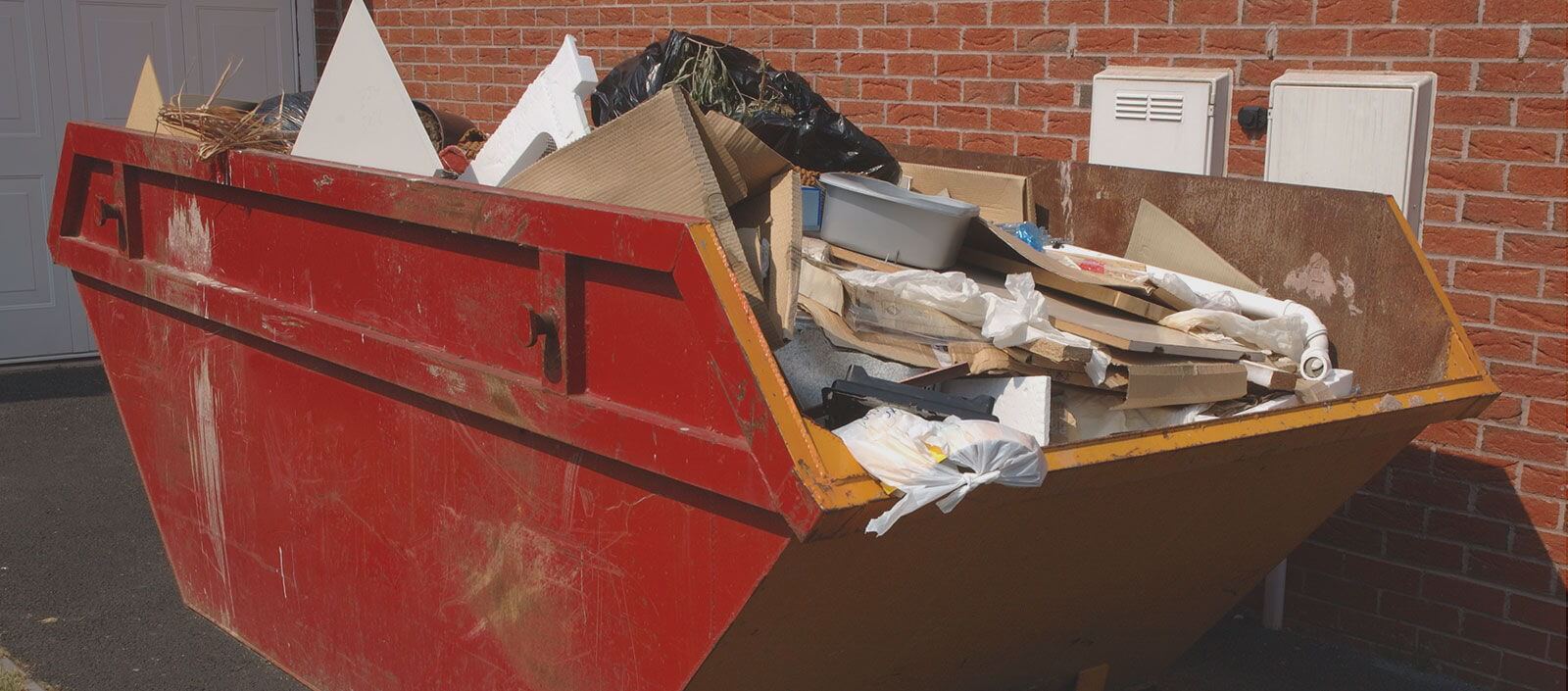
Avoid fines: Paddington fly-tipping laws and penalties
Posted on 04/07/2026
If you live, work, renovate, or manage property in Paddington, fly-tipping is one of those problems that can turn a normal day into a very expensive headache. A sofa left beside a bin store, builder's rubble dumped "just for a minute", or bags placed next to a full street bin can all create enforcement issues. The rules are stricter than many people realise, and the costs can be painful. This guide explains Avoid fines: Paddington fly-tipping laws and penalties in plain English, so you can stay on the right side of Westminster rules, protect yourself from avoidable fines, and dispose of waste properly without guesswork.
We'll cover what counts as fly-tipping, why penalties happen, how responsibility is assessed, and what practical steps help you avoid trouble in the first place. There's also a checklist, comparison table, and a realistic example drawn from everyday Paddington life. No waffle. Just the useful stuff.
Why Paddington fly-tipping laws and penalties matter
Fly-tipping is not just an eyesore. In a busy part of London like Paddington, it creates blockages around bins, attracts more dumping, and can become a nuisance for residents, landlords, housing managers, and shop owners very quickly. One black bag left in the wrong place can be enough to start a chain reaction. Before long, the pavement looks untidy, bins overflow, and someone has to deal with the mess.
The reason this matters so much is simple: waste rules are built around responsibility. If waste is not handed over correctly, stored correctly, or collected by the right person, the person connected to it may still be on the hook. That can mean a fixed penalty, a council investigation, or even a more serious case if the dumping is repeated or large-scale. To be fair, most people do not set out to break the rules. They just do not realise how quickly things can go wrong.
Paddington also has a mix of homes, flats, estates, offices, short-let properties, and building projects. That creates lots of moving parts. If you are clearing a flat, changing an office, or moving bulky items out of a property, waste has to be planned. If it is not, the risk rises. A good local example is a landlord leaving old furniture beside a communal bin area after a tenant move-out. It looks harmless for an hour. By morning, it is a fly-tip complaint.
For residents trying to keep life simple, it is worth understanding how local bin arrangements work too. A useful place to start is Westminster Council bin rules for Paddington residents, which helps set the scene for everyday disposal expectations in the area.
How Paddington fly-tipping laws and penalties work
At a practical level, fly-tipping means leaving waste where you are not allowed to leave it. That could be on a street, in a communal area, by a wall, next to a bin store, on private land without permission, or anywhere else that is not an authorised disposal point. The key issue is not whether the item is big or small. It is whether it has been dumped unlawfully.
Penalties can apply in different ways depending on the circumstances. Councils commonly use fixed penalties for lower-level offences, while more serious or repeated cases may lead to larger fines or prosecution. The exact outcome depends on what happened, how much waste was involved, whether there was evidence of deliberate dumping, and whether the offender has a history of similar behaviour. So, no, there is not one neat number that fits every case.
Another important point: if you paid someone to remove waste and they dumped it illegally, that does not always mean you escape responsibility. If you failed to check who they were, whether they were licensed, or whether the arrangement was sensible, you may still face questions. That is why due diligence matters. A receipt is useful, but it is not magical. It does not wipe away poor judgement.
For people who want a cleaner path, a licensed and transparent collection service is usually much safer than taking chances with an unknown operator. If you want to understand what professional waste handling should look like, the page on waste carrier licence and compliance is a useful reference point. It explains why licensing and compliance are not just box-ticking exercises.
In Paddington, the everyday reality is often about being careful with bulky items, mixed loads, and communal storage. A broken wardrobe left beside a block entrance can feel like a small shortcut at 8pm. By 8am, it can already be treated as an unlawful dump if it has not been arranged properly. That is how these things snowball.
Key benefits of staying compliant
Staying within the rules is not only about avoiding a fine. It saves time, keeps neighbours onside, and stops small waste problems becoming bigger property or business issues. Once you get into the habit of handling rubbish properly, the process is actually easier than the risky alternatives.
- You reduce the chance of penalties. That is the obvious one, but also the most expensive to ignore.
- You protect your reputation. Important for landlords, agents, shopkeepers, and office managers.
- You avoid repeat clean-up costs. Fly-tipped waste can create extra labour, access issues, and emergency callouts.
- You make decisions faster. When you know the disposal route, you stop wasting time guessing.
- You support a tidier local environment. Which sounds basic, but Paddington streets look noticeably better when everyone does their bit.
There is also a quiet benefit people forget: less stress. If you have ever tried to shift a battered sofa down a narrow stairwell in a Paddington flat while the hallway smells faintly of old carpet and somebody is waiting to use the lift, you know that a proper plan is worth a lot. The same goes for builders' waste, white goods, and clearance jobs.
For practical disposal planning, the following pages can help you match the right service to the job: builders waste disposal in Paddington, furniture removal in Paddington, and white goods and appliance disposal in Paddington.
Who this is for and when it makes sense
This topic matters to more people than you might think. Fly-tipping law is not just for people who dump sofas in alleys. It is relevant if you manage a flat, run a business, are moving home, or are clearing up after building work. Basically, if you create waste in Paddington, you should know the rules.
- Residents dealing with bulky household rubbish, move-out clearances, or garden waste.
- Landlords and letting agents managing tenant turnover, abandoned furniture, or communal waste areas.
- Tradespeople and builders producing rubble, timber, packaging, and renovation debris.
- Offices and commercial premises clearing desks, electronics, archive boxes, or refurbishment waste.
- People buying or selling property who need a clean handover and do not want last-minute waste chaos.
If you are moving through the local property market, waste clearance can even affect presentation and timing. That may sound a bit dramatic, but clutter and dump piles absolutely affect first impressions. See also the Paddington real estate buying guide and selling apartments in Paddington for a broader view of how local property decisions and waste handling can overlap.
Sometimes the trigger is not a big renovation. It is just the awkward in-between moment: you have a new washing machine arriving, the old one needs to go, and the lobby is too tight for a DIY solution. That is exactly when people make rushed choices and then regret them later.
Step-by-step guidance
If you want to avoid fines, the easiest approach is to make waste handling a quick, deliberate process rather than a guess. Here is a sensible way to do it.
- Identify the waste type. Is it household rubbish, furniture, appliances, green waste, builders' rubble, or office equipment? Different waste types need different handling.
- Separate what can be reused or recycled. This reduces volume and can lower disposal costs.
- Check whether council collection is suitable. For some items and quantities, local collection rules may be enough. For others, they will not be.
- Confirm access and storage. In Paddington flats and estates, access matters a lot. Stairs, lifts, narrow corridors, and bin stores can all change the plan.
- Use a licensed waste carrier for removal. Ask the right questions and keep the paperwork.
- Keep evidence. Save invoices, collection details, and any photos if the job is sensitive or time-critical.
- Do not leave items "temporarily" outside. This is where a lot of trouble starts.
That final step is the one people most often underestimate. A lot. One afternoon outside while you pop out for lunch can still become a complaint by evening. In shared buildings, neighbours notice quickly, and they are not always thrilled about it.
If the job involves bulky household items, it may be helpful to review the local context first. The pages on bulky waste collection for W2 flats and removing bulky furniture from Paddington estates are especially relevant where access is tricky or the item is awkwardly sized.
Expert tips for better results
In practice, avoiding fly-tipping fines is mostly about good habits. Nothing flashy. Just careful decisions made early enough to matter.
- Plan disposal before the item leaves the room. Once waste is on the pavement or in a communal corridor, you are already behind.
- Get clear on who is responsible. If multiple people are involved, write it down. Don't rely on "I thought you were sorting that".
- Use proper collection windows. Timing matters in busy streets and estates, especially where access is shared.
- Take photos before and after. Useful for property managers and anyone handling a disputed clearance.
- Keep a record of the carrier. If the waste goes missing, or turns up elsewhere, having documentation helps.
- Choose the right service for the material. Do not mix domestic items with construction waste if it creates confusion or compliance risk.
A good local rule of thumb: if the waste is awkward, heavy, mixed, or time-sensitive, do not improvise. Paddington is busy enough already. The footfall near stations and main roads means rubbish left in the wrong place gets noticed quickly. Sometimes within minutes, frankly.
If you want a smoother route, it can also help to read up on the broader service options available through the services overview and the practical approach explained in waste removal in Paddington.

Common mistakes to avoid
Most fly-tipping penalties do not start with a grand plan. They start with a shortcut, a bit of pressure, or an assumption that "it'll be fine for now". That is the dangerous part.
- Leaving waste beside communal bins. Even if it feels convenient, it may count as illegal dumping.
- Hiring someone without checking credentials. Cheap is not the same as safe.
- Assuming the council will remove everything. Some items need separate booking or special handling.
- Mixing hazardous or awkward items into a general load. That can create extra compliance problems.
- Dumping waste on private land without permission. That can still be treated as fly-tipping.
- Ignoring documentation. No receipt, no record, no helpful trail if something goes wrong.
There is also the classic "I only put it there for a minute" mistake. It sounds harmless, but in real life, those minutes can become a complaint, a photo, and a charge. Not ideal.
For practical help with the disposal side of things, you may also find Paddington urgent fly-tip removal and reporting options helpful when a situation has already become messy and needs quick attention. And if timing is tight, same-day rubbish collection in Paddington gives a useful idea of what to expect.
Tools, resources and recommendations
You do not need fancy tools to stay compliant. What you do need is a sensible system. A few practical habits can save a lot of hassle later.
- A simple waste log for landlords, agents, and small businesses.
- Camera photos before collection, especially for clearance jobs or dispute-prone sites.
- Collection notes with item types, access details, and timing.
- Licence checks before handing waste to anyone other than your regular trusted contractor.
- Clear labels for recycling, reuse, disposal, and fragile items.
For people dealing with regular waste streams, a few topic-specific pages can help you plan better. For example, commercial waste removal in Paddington is relevant to businesses, while office clearance in Paddington fits refurbishment or relocation work. Household clearances are often best handled through house clearance or loft clearance when the volume is too much for standard bins.
On a smaller scale, green and seasonal waste should also be handled properly. The guides on garden waste removal and Little Venice garden waste and green disposal in Paddington are useful where bins fill up quickly after pruning or tidy-up jobs.
Law, compliance, standards, or best practice
In the UK, fly-tipping and improper disposal are treated seriously because they affect public spaces, private land, and environmental management. For everyday readers, the most useful thing to understand is not the legal jargon; it is the standard of care expected. You are generally expected to dispose of waste responsibly, use authorised services where necessary, and not hand waste to people who cannot properly handle it.
Best practice is straightforward:
- Use legitimate waste services.
- Keep proof of transfer or collection.
- Do not leave rubbish in unauthorised places.
- Check access rules for your building or estate.
- Plan for bulky items before they become a street problem.
If you are a business or landlord, the standard rises a bit. You should be able to show that your waste arrangements are organised, that service providers are properly appointed, and that staff or contractors know what to do. That is especially true for commercial premises, rental properties, and building sites. A messy paper trail is a warning sign all by itself.
If you are weighing up different disposal options and want to stay on top of broader responsibility, it is worth reading the site pages on recycling and sustainability and insurance and safety. They add useful context for choosing services that fit normal good practice, not just the cheapest route.
Options, methods, or comparison table
Different waste situations call for different responses. Here is a practical comparison to help you choose the least risky route.
| Option | Best for | Pros | Watch-outs |
|---|---|---|---|
| Reuse or donate | Usable furniture, appliances, and household items | Lower waste volume, often cheaper, environmentally sensible | Not suitable for damaged or unsafe items |
| Council collection routes | Standard household waste and some bulky items | Familiar process, local rules, clear booking structure | May not suit urgent, heavy, or high-volume waste |
| Licensed waste removal | Mixed, bulky, or time-sensitive waste | Convenient, adaptable, better for tricky access | Must check provider credentials and paperwork |
| Skip hire with permissions | Renovation waste, building debris, larger clearances | Useful for staged jobs, good for ongoing projects | May need permits and space; not ideal everywhere in central London |
For many Paddington households, the right answer is not one method but a combination. A few reusable items go one way, a broken wardrobe another, and the rest through a compliant collection. That mixed approach is often the cleanest and least stressful. It also just feels more organised, which helps when a property is busy or lived in.
If you are considering skip hire in the area, the permit guide for skip hire near Paddington Station W2 is especially useful before you commit to a container-based solution.
Case study or real-world example
Picture a small Paddington block with eight flats and one shared bin area. A resident clears out an old bedroom and leaves a broken bed frame and a mattress next to the bins on a Friday evening, planning to "sort it out Monday". By Sunday, other residents have added bags and a chair. By Monday morning, the area looks abandoned. A complaint goes in, and the waste is treated as fly-tipping rather than a simple storage mistake.
Now compare that with a different approach. The resident separates what can be reused, arranges a proper bulky collection, keeps the booking details, and moves the items out in line with the agreed collection window. The hallway stays clear, neighbours stay calm, and there is nothing for an enforcement officer to chase. Same items. Very different outcome.
That is the main lesson, really. In shared London buildings, waste is not just "your" problem once it leaves your front door. It becomes a visibility issue, a neighbour issue, and sometimes a legal issue. The smallest misstep can look bigger than intended. Human nature, eh.
Practical checklist
Use this before you move anything outside or hand waste to anyone else.
- Have I identified exactly what the waste is?
- Have I separated reusable, recyclable, and disposable items?
- Do I know whether council collection is suitable?
- Have I checked access, lift size, stairs, parking, and timing?
- Have I confirmed the waste carrier is legitimate and suitable?
- Do I have a receipt, booking record, or transfer note?
- Is the waste staying inside until collection time?
- Have I told everyone involved what happens next?
- Could this item be interpreted as dumped if left unattended?
- Am I confident the plan is compliant, not just convenient?
That last question is the one worth pausing on. Convenient and compliant are not always the same thing.
Conclusion
Paddington fly-tipping laws and penalties are ultimately about responsibility, timing, and common sense. If waste is managed properly, most problems never start. If it is left too late, left in the wrong place, or handed to the wrong person, the risk climbs quickly. The good news is that avoiding fines is usually very achievable once you have a simple system.
Whether you are clearing a flat, changing a business unit, managing a renovation, or just trying to get rid of one awkward sofa, the safest route is the one that is planned, documented, and compliant. That approach protects your money, your reputation, and your peace of mind. And in a busy place like Paddington, peace of mind is worth quite a bit.
Get a free quote today and see how much you can save.
One final thought: when waste is handled properly, the whole street feels a little easier to live in. Small thing, maybe. But it matters.