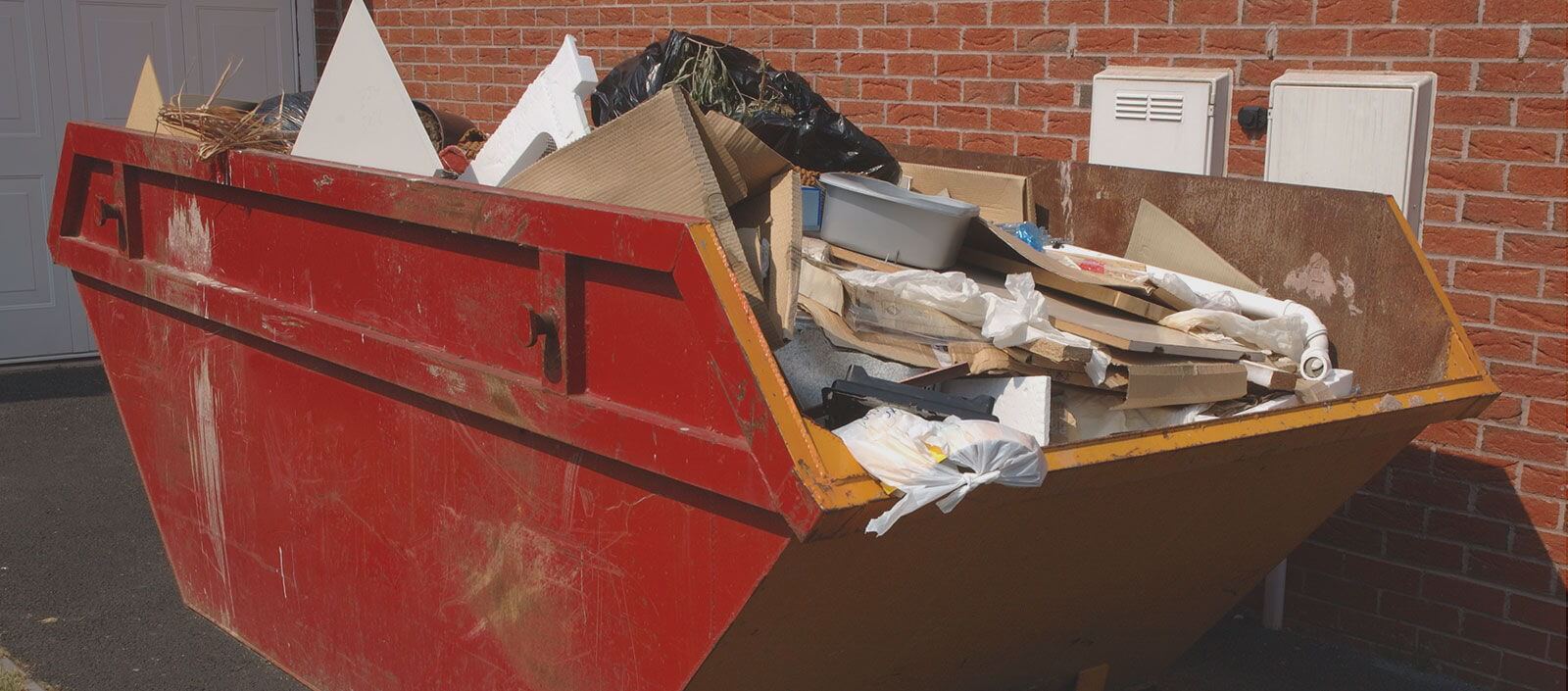
Commercial waste pickup for Paddington shops and offices
Posted on 07/09/2026
If you run a shop, cafe, studio, agency, clinic, or office in Paddington, waste has a way of building up quietly and then suddenly becoming a problem. One day it is a few cardboard boxes and a broken chair; the next, the back room is cramped, the bin store is overflowing, and staff are spending time dealing with rubbish instead of customers. That is where Commercial waste pickup for Paddington shops and offices comes in. Done properly, it keeps your premises tidy, reduces disruption, and helps you stay on the right side of local expectations without turning waste removal into a weekly headache.
This guide walks through what commercial pickup actually involves, how it works in practice, what to check before you book, and where businesses often trip up. It is written for real day-to-day use, not just theory. If you need a broader view of related services, our services overview is a useful place to start, and if you want to understand compliance basics, the page on waste carrier licence and compliance is worth a look too.
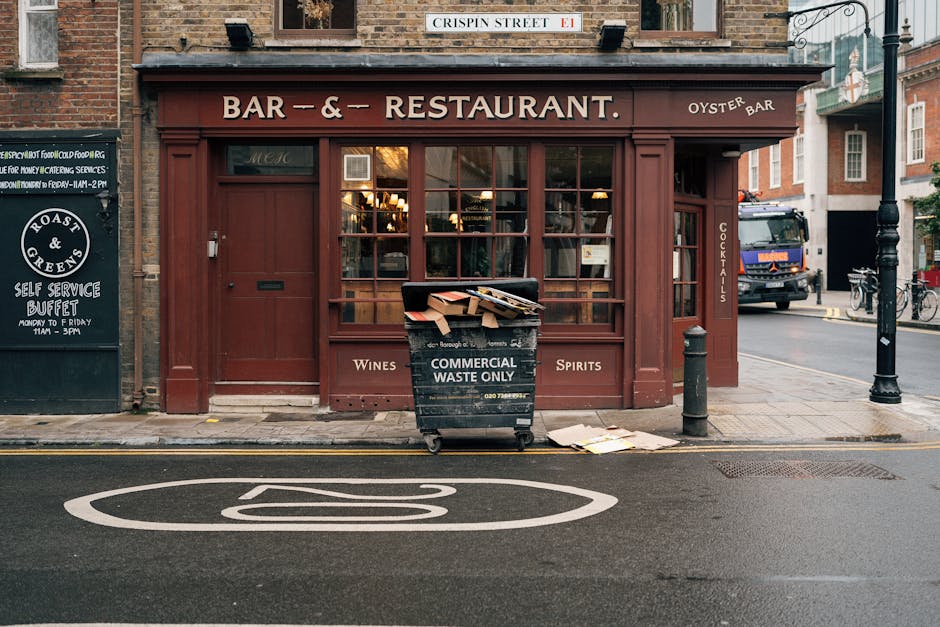
Why Commercial waste pickup for Paddington shops and offices Matters
Paddington is busy in a very practical way. Shops receive deliveries, offices generate packaging, paperwork, and old furniture, and customer-facing businesses need their front-of-house areas to look clean at all times. Waste that lingers for even a day or two can make a small place feel cluttered fast. It also affects how staff move through the space, where stock is stored, and whether customers get the impression that things are under control.
For shops, commercial waste is often a mix of cardboard, broken display materials, old point-of-sale equipment, food packaging, and occasional bulky items. Offices are a little different: paper waste, printers, desks, chairs, filing cabinets, IT equipment, and general clear-out rubbish tend to pile up in waves. That means pickup needs to be flexible rather than one-size-fits-all. Truth be told, a rigid schedule that looks fine on paper can become a nuisance if your business has seasonal peaks or sudden refits.
There is also the reputational side. A neat entrance says a lot. A rear yard stacked with rubbish says a lot too, and not in the good way. For customer-facing businesses especially, the difference between "managed" and "messy" can be a single missed collection. If you want to stay organised in a busy local environment, regular commercial pickup is not a luxury. It is part of the operating rhythm.
Expert summary: The best commercial waste pickup setups are the ones you barely notice day to day. They keep stockrooms clearer, reduce staff interruptions, and prevent waste from becoming a visible problem when the business is busiest.
How Commercial waste pickup for Paddington shops and offices Works
In practical terms, commercial waste pickup is a collection service arranged around your business waste stream, volume, and access needs. Some businesses want a one-off clearance after a refurb or relocation. Others need a recurring pickup arrangement to keep up with day-to-day waste. The right setup depends on what you generate, how quickly it builds up, and whether your premises have any awkward access points.
The process usually starts with identifying the waste types. A small office might need mixed office waste pickup, IT disposal, and old furniture removal. A shop could need cardboard collection, shelving disposal, and general rubbish removal. If your business is clearing a floor or closing a site, an office clearance service may be the cleaner, faster route than piecemeal collections. For bulky items, the page on office clearance in Paddington is closely related and often useful for planning a larger job.
Then comes access and timing. Paddington is not exactly a place where waste vehicles can wander about at leisure. Loading bays, side streets, entry gates, lifts, stairwells, and shared service yards all matter. A good provider will want to know where they can park, how far items need to be carried, and whether collections need to happen early, late, or between customer-facing hours. Small details matter here. They really do.
Once scheduled, the collection team removes the agreed items, sorts what can be recycled, and disposes of the rest through the correct channels. If the service is reputable, you should also get clear paperwork or confirmation of what was taken. That matters more than many businesses realise, especially if you need an audit trail for property managers, landlords, or internal record-keeping.
Some businesses also prefer to combine commercial pickup with broader waste removal. If your site has mixed waste needs, commercial waste removal in Paddington can be a sensible umbrella service rather than booking several separate jobs.
Key Benefits and Practical Advantages
The main benefit is obvious: less clutter. But the real value of commercial waste pickup goes well beyond a tidy bin area. For many Paddington businesses, the biggest win is time. Staff do not have to spend half an hour wrestling with flattened boxes, finding somewhere to store obsolete furniture, or making repeated trips to a communal bin store that is already full. That time adds up.
Another practical advantage is consistency. When waste collections are planned properly, you get fewer "emergency" situations. No one wants to be the manager who discovers a pile of broken chairs at 8:30am and has to improvise before opening. Regular pickup smooths those awkward moments out.
Commercial pickup can also help with space management. In busy premises, storage is often the hidden pressure point. A storage cupboard becomes a dumping ground. The back office starts hosting old monitors, packaging, and spare stock that should have gone weeks ago. Clear collections keep those hidden corners from becoming a second warehouse.
There is an environmental angle too. Many commercial waste streams can be separated or recycled rather than thrown into a mixed load. Businesses that care about sustainability often like to know what happens next, not just that the rubbish has disappeared. If that matters to you, the site's recycling and sustainability information supports a more informed choice.
And then there is the soft benefit people sometimes forget: peace of mind. You walk in, the place looks manageable, and everyone can get on with the work. Simple, but very real.
Who This Is For and When It Makes Sense
Commercial waste pickup makes sense for any Paddington business that produces more waste than a standard internal bin system can handle comfortably. That includes independent shops, chain stores, cafes, salons, consultancies, medical-adjacent offices, co-working spaces, estate agencies, and professional service firms. If you have regular deliveries, customer packaging, old stock, or frequent refurbishments, you are probably in that group already.
It is especially useful in a few common situations:
- When waste starts being stored in corridors, stockrooms, or front-of-house areas
- When staff are spending time moving rubbish instead of serving customers
- After an office move, fit-out, or desk refresh
- During seasonal peaks, sales periods, or promotions that create more packaging
- When bulky items no longer fit into ordinary bins or bags
- When you need a clean-up before a landlord inspection or handover
For office teams in particular, pickup often becomes essential after clear-outs. Old desks, chairs, filing cabinets, and misc tech are awkward to manage internally. In those cases, a dedicated Paddington office clearance service can be the better fit than trying to break the job into bits and pieces.
Shops face a different pressure. Small retail spaces can fill up fast, and if stock arrives in heavy packaging, the waste problem can be physical long before it is visible to customers. Let's face it: nobody wants a customer stepping around folded boxes to get to the till.
Step-by-Step Guidance
If you are arranging commercial waste pickup for the first time, keep it straightforward. A clean process usually looks like this:
- List the waste types. Separate general rubbish, cardboard, furniture, electronics, and any specialist items.
- Estimate volume. Think in practical terms: a few bags, a corner of a room, half a van, a full clear-out. Exact perfection is not necessary, just a sensible estimate.
- Check access. Note loading restrictions, stair access, lift availability, and whether collections must happen at a specific time.
- Decide whether you need one-off or recurring pickup. A shop with steady cardboard build-up may need a regular arrangement. A one-off refurbishment may not.
- Ask what happens to recyclable material. Cardboard, metal, and some office items may be separated where possible.
- Confirm pricing and payment terms. Make sure you understand what is included before the team arrives. The page on pricing and quotes can help set expectations.
- Prepare the waste. Move items to an agreed collection point if it is safe and practical to do so.
- Keep a record. This can be useful for internal admin, landlords, and compliance checks.
A small but useful habit is to do a quick waste audit every month. Nothing fancy. Just a short look at what is taking up space, what can be recycled, and what keeps appearing. That one habit often stops bigger waste problems from sneaking up on you.
If a site is awkward or particularly time-sensitive, it can also help to read about service scope and what is typically covered in the services overview before you book. It saves back-and-forth later.
Expert Tips for Better Results
After enough collections, a few patterns become obvious. First, waste is much easier to manage when staff know where it should go before it gets generated. A labelled box for cardboard, a separate area for broken fixtures, and a designated furniture holding spot make a real difference. It sounds a bit obvious, perhaps, but obvious is often what works.
Second, avoid letting bulky items sit around "just until next week." That sentence has caused more mess than almost anything else. Old chairs become trip hazards. Empty shelving becomes a nuisance. IT equipment becomes an eyesore and a storage problem all at once.
Third, schedule around your busiest hours, not just the nearest available slot. If customers are in and out all morning, a collection that blocks the entrance is not a win, even if it is convenient on paper. Early morning or quieter mid-afternoon windows are often better for retail and office sites.
Fourth, if your business is interested in greener disposal, ask in advance what can be separated for recycling. You do not need to become a waste specialist overnight. You just need a provider who treats recycling seriously and can explain the practical limits clearly. No drama, no vague promises.
Finally, keep an eye on seasonal patterns. In Paddington, businesses near transport links, hotels, and busy commercial streets often see waste volumes rise and fall in ways that are not always obvious until you map them. A simple note on your calendar about holiday periods, promotions, or refits can help you book before things spill over.

Common Mistakes to Avoid
The most common mistake is underestimating volume. A shop can be "only a little messy" for weeks, and then suddenly the pile of packaging, damaged stock, and broken display pieces needs a van rather than a bin. If that sounds familiar, you are not alone.
Another issue is mixing up general rubbish with specialist waste. Electronics, certain office appliances, and bulky furniture can require different handling from ordinary bagged waste. If you are unsure, ask before collection day. Guessing usually costs more later.
It is also easy to forget access details. A collection team that arrives without knowing about locked gates, narrow staircases, or strict loading times is going to have a slower job. That can affect the whole day, especially in central London where access is rarely generous.
Some businesses also focus too heavily on price and ignore reliability. The cheapest option is not always the least expensive in the long run if it means missed time slots, poor communication, or waste being left behind. If you have ever had to chase a pickup while staff are waiting around, you will know exactly what that feels like. Not ideal.
Lastly, do not treat documentation as optional. Even a straightforward collection can be worth recording internally. It is one of those small admin habits that pays off later when someone asks, "Where did that go?"
Tools, Resources and Recommendations
You do not need a complicated system to manage commercial waste well. A few basic tools are usually enough:
- A waste log: a simple spreadsheet or shared note listing collection dates, waste types, and any unusual items
- Labelled storage zones: one place for cardboard, one for general waste, one for bulky items, and one for recycling-ready material
- Staff instructions: short written guidance on what should be kept, separated, or put aside for pickup
- Photo records: helpful for large clear-outs, landlord handovers, or checking what needs to go before a collection
- Collection planning notes: access codes, loading instructions, and time windows in one easy place
For businesses that handle a wider mix of waste, the site's rubbish collection in Paddington page is useful for understanding broader collection options, while the related waste removal service can help if your needs are not neatly limited to one waste type.
If you are planning a bigger clear-out, you may also find it helpful to compare office-only collection with more general bulky-item removal. For example, older desks and meeting tables may be easier to manage alongside furniture disposal rather than as a standalone bin-run style job.
Law, Compliance, Standards, or Best Practice
For commercial waste, compliance is not something to leave to chance. In the UK, businesses have a duty to make sure waste is stored, transferred, and disposed of responsibly. That does not mean you need to become a legal expert, but it does mean you should choose a provider who is properly licensed and transparent about how waste is handled.
Good practice usually includes checking that the waste carrier is authorised, confirming what types of waste are accepted, and keeping records of collections where appropriate. This matters for offices, shops, landlords, and managing agents alike. If waste is passed to the wrong handler, the business that produced it can still end up with the headache. Unpleasant, but true.
Health and safety matter as well. Bulky objects, broken glass, sharp packaging, and overloaded storage areas can all create avoidable risks. If staff are asked to move items before pickup, they should do so safely and only if the items are manageable. Heavy lifting injuries are not worth the shortcut.
It is also sensible to think about data and confidentiality when clearing office waste. Paper records, old filing boxes, and discarded devices may need extra care before disposal. Even if you are not doing formal shredding on site, you should make sure sensitive material is treated appropriately before it leaves the premises.
For extra reassurance around service standards and operational care, you can review the page on insurance and safety. If security and paperwork are a concern, the payment and security information is also useful.
Options, Methods, or Comparison Table
There is more than one way to handle commercial rubbish in Paddington. The right method depends on volume, frequency, access, and how quickly you need the space cleared. Here is a simple comparison to help:
| Method | Best for | Strengths | Watch-outs |
|---|---|---|---|
| Regular commercial pickup | Shops and offices with ongoing waste | Predictable, tidy, easy to plan around | Needs accurate scheduling and access planning |
| One-off waste collection | Clear-outs, moves, refits, emergency tidying | Fast and flexible for short-term jobs | Can be less efficient if waste keeps recurring |
| Office clearance | Desks, chairs, cabinets, IT items | Handles bulky and mixed office waste in one go | Best when arranged with clear item lists |
| General rubbish collection | Smaller mixed waste loads | Simple, practical, often the quickest route | May not suit large or specialist items |
| Broader waste removal | Sites with multiple waste streams | Good for mixed business needs and larger jobs | Needs clear communication about the full load |
In many Paddington premises, the right answer is not one method forever. It changes. A small office may need regular pickup most months and a larger clearance only after a move. A shop may need steady cardboard removal but occasional bulky disposal after a new display installation. Flexible planning tends to work best.
Case Study or Real-World Example
Here is a very typical example, based on the kind of situation many local businesses face. A small office near a busy Paddington street had been using a single internal bin and a cupboard for overflow. Over time, old monitors, broken chairs, archive boxes, and packaging from delivery days started filling the back room. Nothing looked disastrous at first. Then one Friday, the team realised they could barely open the storage door fully. That was the moment it became everyone's problem.
Instead of trying to move everything in one frantic afternoon, the team sorted the waste into three groups: office furniture, recyclable cardboard and paper, and general rubbish. They also checked access details for the loading area and cleared a path to the collection point. The pickup itself went smoothly because the preparation had already been done. The room looked better immediately, but more importantly, it stayed usable. Staff could find files again, deliveries were easier to manage, and the place felt calmer.
A similar thing happens in shops, especially after display changes or stock refreshes. A few old shelves here, a stack of broken packaging there, and suddenly the back room starts dictating how the business runs. Once waste pickup becomes part of the weekly or monthly routine, that pressure drops. Not glamorous, but extremely useful.
Practical Checklist
Use this checklist before booking commercial waste pickup for your Paddington premises:
- Confirm the waste type: general, cardboard, furniture, office items, or mixed
- Estimate how much needs removing
- Check whether anything contains confidential data or sensitive material
- Identify access restrictions, loading points, and any time limits
- Decide whether you need a one-off pickup or an ongoing arrangement
- Clear a safe route to the items where possible
- Ask what can be recycled or separated
- Confirm pricing, payment, and what is included
- Keep a record of the collection for your files
- Review whether the current setup is still working after the pickup
A quick checklist like this takes ten minutes, maybe less. It can save you a lot more than ten minutes later. Funny how that works.
Get a free quote today and see how much you can save.
Conclusion
Commercial waste pickup for Paddington shops and offices works best when it is simple, regular, and matched to the way your business actually operates. That may mean a recurring collection, a one-off clearance, or a broader waste removal plan that covers bulky items and mixed loads. The key is to stop thinking of waste as an afterthought. In a busy commercial area like Paddington, it is part of the day-to-day running of the place.
If you get the waste process right, you gain more than a cleaner back room. You free up space, protect staff time, reduce stress, and present a better face to customers and clients. And honestly, that calm, organised feeling when everything has been taken away properly? It is hard to beat.
For businesses wanting to understand the wider service picture, it can help to review the site's guidance on about us and the company's approach to compliance before making a decision. A little checking now usually makes the rest much easier.