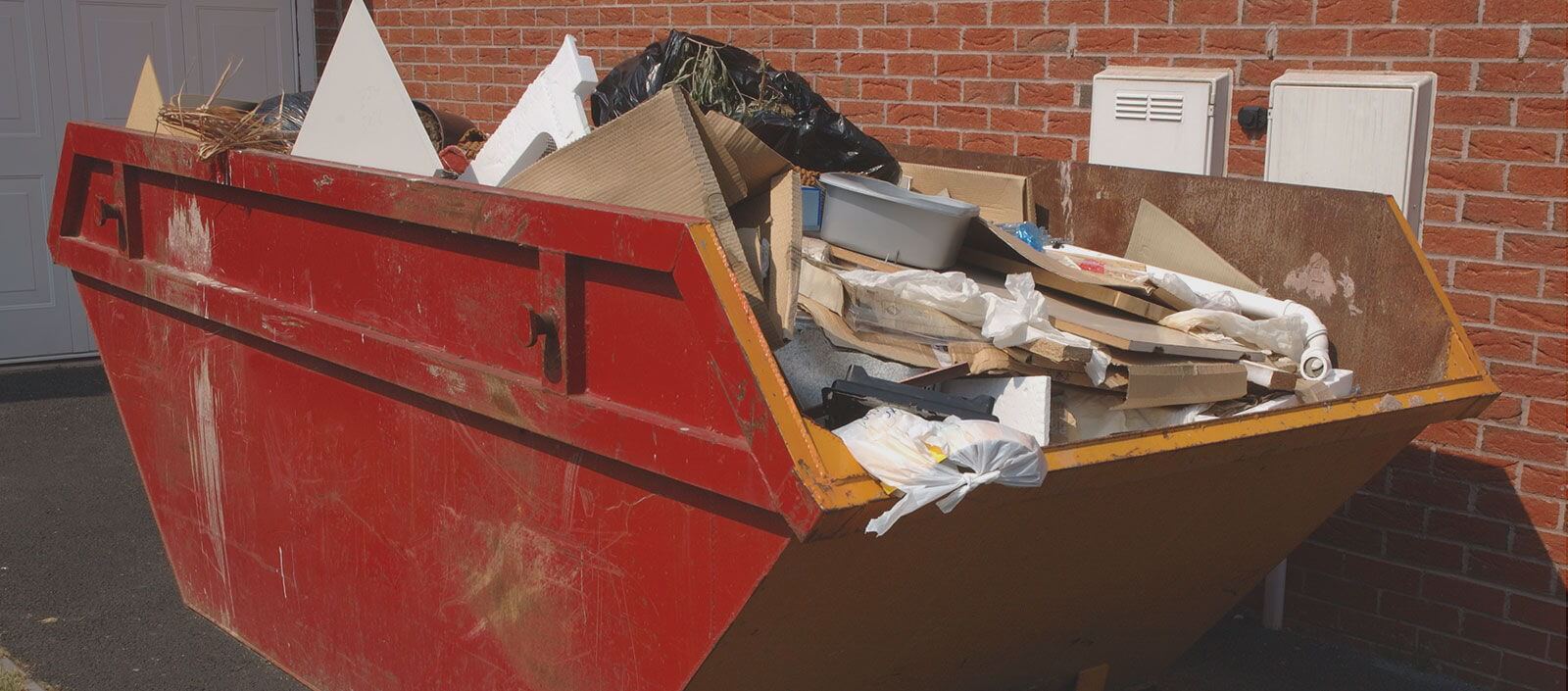
Little Venice garden waste and green disposal in Paddington
Posted on 06/05/2026
Little Venice Garden Waste and Green Disposal in Paddington: A Practical Local Guide
Sorting out garden waste in Little Venice can feel simple at first: a few clipped branches, a bag of leaves, maybe a broken plant pot or two. Then suddenly there's a heap of ivy, soil, old compost sacks, tangled green cuttings, and something that looks suspiciously like last year's neglected patio planter. That's where Little Venice garden waste and green disposal in Paddington becomes more than a tidy-up job. It becomes a practical, local problem that needs a clean, legal, and environmentally sensible answer.
This guide walks through how green waste disposal works in the area, what counts as garden waste, what to do with mixed materials, and how to choose a responsible service that fits the realities of London living. Whether you're clearing a narrow mews garden, managing a communal courtyard, or dealing with a bigger seasonal cut-back, you'll find clear steps here - plus a few local pointers that make life easier, truth be told.
If you want to understand the wider service landscape first, it can help to explore the full services overview and the company's approach to recycling and sustainability before you book anything.

Why Little Venice garden waste and green disposal in Paddington Matters
Garden waste looks harmless. Leaves, grass, hedge trimmings, and twiggy cuttings are natural materials, after all. But in a busy place like Paddington and Little Venice, disposal choices affect everything from street cleanliness to recycling quality, from pest control to how smoothly a property can be maintained. Small spaces and shared access routes mean even a modest pile of garden rubbish can feel like a major obstruction if it sits around for too long.
There's also an environmental reason to get it right. Green waste is often suitable for composting or other forms of recovery, but only if it's kept clean and separate. Mix in plastic plant tags, broken terracotta, food waste, or general rubbish, and you reduce the chance of proper recycling. That's the small detail people often miss, and it matters.
For local residents, landlords, property managers, and businesses with outdoor space, good disposal supports a healthier-looking area and avoids that classic London problem of "I'll deal with it later" becoming "why is there a bag of rotting cuttings by the gate?" It happens. More than you'd think.
Done well, green waste removal is not just about tidiness. It's about responsible handling, reduced waste sent to landfill, safer shared spaces, and less hassle for everyone involved.
How Little Venice garden waste and green disposal in Paddington Works
At a practical level, garden waste removal usually starts with identifying the material. The cleaner and more separated it is, the easier it is to manage. In many cases, service providers can collect green waste as part of a broader waste removal visit or as a standalone garden clearance job.
Typical green waste includes:
- Grass cuttings
- Leaves and seasonal sweepings
- Hedge trimmings and branches
- Plants, weeds, and roots
- Small amounts of untreated wood from garden use
- Soil in limited quantities, depending on the service
Not everything from a garden counts as green waste. Broken furniture, old sheds, barbecues, slabs, fencing, tiles, plant pots, and mixed rubbish usually need separate handling. If a garden clearance turns into a mixed load, it may be treated as general waste or bulky waste instead of straightforward green disposal.
That is why a proper provider will usually ask what's included before collection. It is not fussiness. It helps plan the right vehicle, time on site, and destination for the waste. If you need a broader clean-up, the dedicated garden waste removal in Paddington service is the most direct starting point, while mixed items may sit better under rubbish collection in Paddington or general waste removal.
Collection can be especially useful in Little Venice because access can be awkward. Think basement gardens, narrow side returns, mews entrances, and residents who can't simply wheel bags out to the kerb. A local team familiar with the area tends to work faster because they know parking realities, access constraints, and the general rhythm of the neighbourhood. That sounds small, but it saves time.
Key Benefits and Practical Advantages
People usually start with the need to clear space, but the benefits go beyond that. Here's what good green disposal can do for you in the real world.
- It keeps the garden usable. A clean space makes planting, maintenance, and everyday enjoyment much easier.
- It supports better recycling. Clean green waste is easier to process than mixed rubbish.
- It reduces strain on household bins. Garden cuttings can overwhelm normal collection systems fast.
- It avoids unpleasant odours and pests. Especially during warmer spells, a neglected pile of wet vegetation can turn messy quickly.
- It saves time. Bagging, transporting, and checking disposal routes yourself can take an entire afternoon, sometimes more.
- It helps with property presentation. Handy if you're renting, selling, or just trying to keep a calm outdoor space.
There's a quieter benefit too: peace of mind. When you know waste is being handled properly by a licensed carrier, you can stop worrying about what happened to it. No guessing. No awkward shortcut. Just done.
Practical summary: In Little Venice and wider Paddington, the best garden waste solution is usually the one that separates green materials cleanly, handles mixed items sensibly, and fits the access realities of local properties without causing disruption.
Who This Is For and When It Makes Sense
This service is useful for more people than you might expect. It is not only for big gardens or full landscaping jobs.
Homeowners and tenants
If you've done seasonal pruning, tackled a wild patch of ivy, or had a weekend of "just sorting the borders," you may end up with more waste than your household bins can reasonably manage. In compact homes, even a small garden can produce a surprising amount.
Landlords and property managers
Outdoor areas can affect first impressions. If a flat, maisonette, or managed property has a neglected courtyard or overgrown shared garden, clearing waste quickly helps keep the property presentable. This can be particularly relevant if you are also looking at selling apartments in Paddington or keeping a rental ready between tenancies.
Gardeners and maintenance teams
Professional gardeners often need a fast, dependable disposal route for recurring cuttings. If the job is regular, reliable collection becomes part of the workflow, not an afterthought.
Businesses with outdoor areas
Cafes, small hospitality venues, offices with planted frontage, and commercial premises can all generate green waste. If your site is dealing with broader waste streams too, it may make sense to look at commercial waste removal in Paddington alongside green disposal.
When does it make sense to call for help? Usually when the waste is too bulky, too frequent, too heavy, or simply too awkward to deal with safely on your own. If lifting damp bags of cuttings down stairs feels like a silly idea, that's because it probably is.
Step-by-Step Guidance
Here's a practical approach that works well for most Little Venice and Paddington garden clearances.
- Sort the waste first. Keep green waste separate from mixed rubbish, plastics, pots, glass, and building materials.
- Check for contaminants. Remove plant ties, plastic labels, wire, and non-organic items where possible.
- Break down larger branches. Smaller bundles are easier to move and easier to assess.
- Estimate the volume. Is it a few sacks, a quarter load, or enough for a full clearance?
- Think about access. Note gates, stairs, basement levels, parking restrictions, and any time-sensitive access issues.
- Choose the right disposal route. Simple green waste may fit a garden collection; mixed materials may need broader waste removal.
- Ask about recycling handling. A good provider should explain how suitable waste is processed.
- Book a time that suits the property. This matters if neighbours, tenants, or guests are affected.
A small tip that saves annoyance: take a few photos before you book. Nothing fancy. Just quick phone pictures. It helps avoid confusion later about load size and access, and it can make the quote more accurate. Nobody loves a surprise when the team arrives and finds a jungle behind the side gate.
If the job includes broader household clutter as well as garden waste, you may find domestic waste collection in Paddington or house clearance in Paddington more appropriate.
Expert Tips for Better Results
Little decisions make a big difference here. These are the sorts of things that keep garden waste jobs cleaner, quicker, and less stressful.
- Separate green waste before collection day. Mixed piles slow down sorting and can raise disposal costs.
- Keep soil and hardcore apart from cuttings. Heavy inert waste changes the load and may require another disposal route.
- Use robust bags or tied bundles. Flimsy sacks split easily, especially if damp.
- Don't overfill containers. Overstuffed bags are awkward to lift and often rip at the worst moment. Usually when it's raining, because of course it is.
- Schedule collections after larger cutting jobs. A tidy cut-back followed by immediate removal is usually more efficient than leaving waste to accumulate.
- Ask about recycling destinations. Providers with a sustainability focus can often explain what happens next in plain English.
Another useful move is to combine services where appropriate. For example, if your garden waste is part of a bigger declutter, pairing it with furniture disposal in Paddington or furniture removal can make the visit more efficient. Fewer separate jobs. Less disruption.

Common Mistakes to Avoid
Most issues with garden waste disposal come from a handful of predictable mistakes. Easy to avoid, once you know them.
Mixing garden waste with general rubbish
This is the biggest one. If food waste, packaging, old household junk, or damaged items are mixed in, the load becomes harder to recycle properly.
Assuming soil is always treated like green waste
Soil can be handled differently depending on quantity and service type. Don't assume it will be collected as part of standard cuttings. Ask first.
Leaving waste out for too long
Wet vegetation is heavier, messier, and more likely to smell. In tight streets and shared entrances, that becomes a nuisance quickly.
Ignoring access issues
If there's no easy loading point or parking is limited, the collection plan needs to reflect that. Failing to mention it upfront can slow everything down.
Using an unlicensed carrier
This matters. If waste is handed to someone who cannot prove proper carrier compliance, you may create avoidable problems for yourself. A reputable provider should be able to discuss this openly, and you can review their waste carrier licence and compliance information for reassurance.
To be fair, most people are not trying to cut corners. They just want the garden cleared and the day back. But a little care upfront saves a lot of trouble later.
Tools, Resources and Recommendations
If you are managing green disposal yourself before collection, a few simple tools make the job easier.
- Heavy-duty garden sacks for leaves, grass, and soft cuttings
- Tarpaulin sheets to keep waste contained on damp ground
- Gloves and sturdy footwear for handling thorny or wet material
- Pruning shears and loppers for breaking down branches
- Dustpan and brush for sweeping up soil, grit, and small debris
- Labels or tape if you need to separate different waste piles
For readers who want a broader sustainability context, the recycling and sustainability page is a useful companion read. It helps frame why separation matters and how responsible disposal fits into wider waste management.
If you are still comparing providers or planning a bigger project, the pricing and quotes page can help you understand how estimates are typically approached, while about us gives a sense of the business behind the service.
Law, Compliance, Standards, or Best Practice
Garden waste disposal in the UK should always be handled with care, especially when a third party is taking it away. You do not need to become a compliance expert, but you do need to know the basics.
First: use a carrier who can show they operate properly and responsibly. If a provider handles waste professionally, they should be willing to explain their approach to licensing and compliance without making it sound like a secret handshake.
Second: separate waste streams where possible. Clean green waste is more likely to be recoverable than a mixed load full of unrelated items. That is a good practice, not just a paperwork issue.
Third: be careful with hazardous or awkward materials. Garden chemicals, asbestos-containing materials from old outbuildings, batteries, gas canisters, and electrical items are not garden waste. These need specific handling routes.
Fourth: keep records if you are managing waste for a business or rental portfolio. A simple note of what was removed, when, and by whom can be helpful if questions arise later.
Safety matters too. Heavy bags, sharp tools, damp surfaces, and awkward lifting all create avoidable risks. If in doubt, review the provider's insurance and safety information before booking. Sensible, really.
For anyone who needs clear terms around service expectations, the site's terms and conditions and privacy policy are also worth a quick read, especially if you are arranging collection online.
Options, Methods, or Comparison Table
There are a few ways to handle garden waste in Little Venice and Paddington. The right choice depends on volume, access, and how much mixed material you have.
| Option | Best for | Pros | Limits |
|---|---|---|---|
| DIY to local disposal route | Very small amounts, simple cuttings | Low direct cost, flexible timing | Time-consuming, transport issues, limited capacity |
| Green waste bagging for collection | Routine garden maintenance | Simple, tidy, easy to separate | Not ideal for bulky branches or mixed rubbish |
| Dedicated garden waste removal | Medium to large clearances | Fast, convenient, less lifting for you | Can cost more than self-handling |
| Mixed waste or full clearance service | Garden waste plus furniture, rubble, or household items | One visit handles everything | Less recycling purity if loads are mixed |
For a narrow Little Venice courtyard with a few bags of leaves, a simple green waste collection is often enough. For a rear garden overrun with branches, broken planters, and an old parasol frame, a fuller waste removal visit is usually the more sensible choice. Different jobs, different tools. Pretty straightforward once you step back and look at it.
If your project includes building debris from landscaping or patio work, the builders waste disposal in Paddington page may be relevant as well.
Case Study or Real-World Example
Here's a realistic local-style example, without the drama. A ground-floor flat in Little Venice has a compact rear garden that has been left alone through winter. By spring, there's a tangle of ivy, several bags of hedge trimmings, broken terracotta pots, and an old metal planter that has seen better days. The resident wants the garden ready for planting and outdoor seating, but the side access is narrow and the street parking is limited.
Instead of trying to break everything into household bins over several weeks, the resident sorts the waste into two groups: clean green waste and mixed items. The cuttings, leaves, and smaller branches are placed in heavy-duty sacks and kept separate. The broken pots and metal planter are identified as mixed waste, not green waste. A collection is booked with access details provided in advance, including the awkward gate and the short loading window.
The result? The garden is cleared in one visit, the waste is handled appropriately, and the resident can start replanting without spending the next three weekends tripping over half-filled bags. Small victory, but a satisfying one. These jobs often are.
In similar cases, especially where properties are being prepared for occupancy or sale, people sometimes combine garden clearance with loft clearance or even office clearance in Paddington if the wider property needs a full reset. That depends on the situation, of course.
Practical Checklist
Use this before you book or carry anything to the curb.
- Have I separated green waste from general rubbish?
- Are there any plastic ties, labels, or contaminants mixed in?
- Do I know whether soil, rubble, or broken pots are included?
- Have I checked access, parking, stairs, and gate widths?
- Do I need one service for everything, or just garden waste removal?
- Have I taken photos to help with quoting?
- Do I understand how the provider handles recycling?
- Have I confirmed licensing, insurance, and safety basics?
- Is the collection timed to avoid waste sitting out too long?
- Have I cleared a route so the team can work safely and quickly?
That last one sounds obvious, but honestly, it saves more time than people expect.
Conclusion
Little Venice garden waste and green disposal in Paddington is really about balance: keeping your outdoor space usable, handling waste responsibly, and making the process fit the realities of local access and London living. Whether you are dealing with a small seasonal tidy or a bigger garden clearance, the best results come from sorting waste carefully, choosing the right service, and thinking one step ahead about recycling and compliance.
For residents, landlords, and businesses alike, the smartest approach is usually the simplest one: separate the green waste, be clear about the load, and work with a provider that understands the area. That way, the job gets done properly the first time, and you're left with a cleaner space and less hassle.
Get a free quote today and see how much you can save.
If you'd like to explore related local reading, the site also covers neighbourhood life in Paddington from a local perspective, plus practical area context in this Paddington guide. Sometimes knowing the area makes the work a little smoother. And in London, that goes a long way.