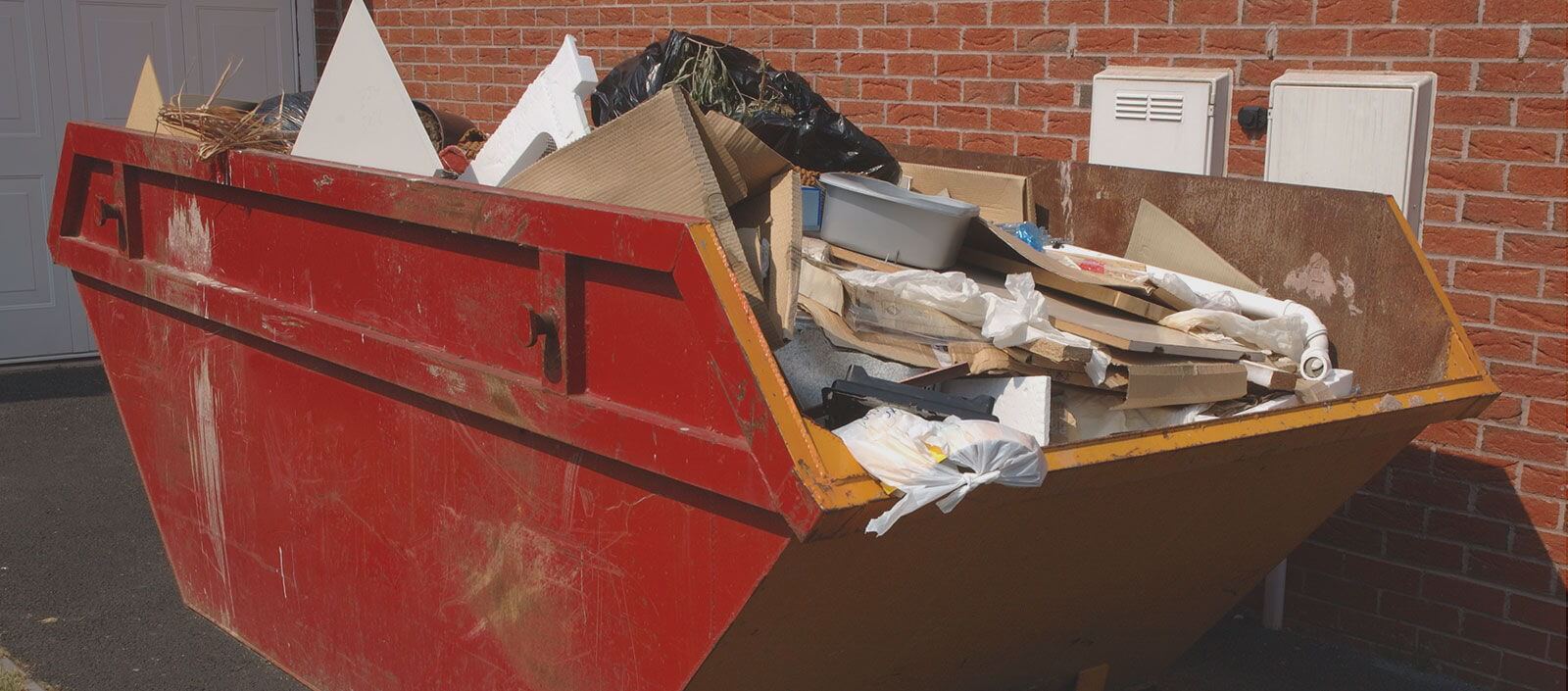
Paddington urgent fly-tip removal and reporting options
Posted on 14/05/2026
Fly-tipping has a way of making a street feel neglected overnight. One day the pavement looks fine, the next there's a dumped mattress, broken bags, builders' rubble, or a fridge left half-hidden by a wall. In Paddington, where footfall is steady and many streets are narrow, that kind of mess can become more than an eyesore very quickly. It can block access, attract more dumping, and create a real nuisance for residents, landlords, shopfronts, and property managers.
This guide explains Paddington urgent fly-tip removal and reporting options in a practical, no-nonsense way. You'll learn what counts as fly-tipping, how urgent removal usually works, how to report it, what to do first, and when a quick private clearance makes more sense than waiting around. We'll also cover compliance, safety, and the small details people often miss. Truth be told, the fastest solution is usually the one that is planned properly from the start.

Why Paddington urgent fly-tip removal and reporting options Matters
Fly-tipping is not just "someone left a bit of rubbish." In practice, it can mean anything from a single black bag dumped beside a bin store to a full roadside pile of household waste, broken furniture, old appliances, or contractor waste that should never have been abandoned in the first place. In a busy area like Paddington, even a small dump can cause a chain reaction: people assume the area is already being neglected, and more waste appears. It's frustrating. Also, it's avoidable.
There's a local knock-on effect too. Businesses may lose curb appeal. Residents may have to step around sharp debris or leaking bags. Building managers can face complaints. And if waste is left long enough, it can start to smell, attract pests, or obstruct access for cleaning and deliveries. That's why urgent fly-tip removal matters: not only because it clears the mess, but because it stops the situation from escalating.
Reporting matters just as much. If the source of the waste can be identified, or if repeated dumping happens in the same spot, reporting helps build a pattern. That pattern can influence how quickly a site is monitored or cleared. In plain English, reporting gives the problem a paper trail. And yes, that paperwork can make a difference.
For anyone managing a property, there's another reason to act fast: delays can be awkward. Tenants notice. Neighbours notice. Visitors notice. If you're handling a block, a shop, or a rental, the first impression can go downhill fast. If you also deal with ongoing waste issues, it may be worth looking at broader help such as the full services overview or a more general waste removal service in Paddington so the next incident is easier to deal with.
How Paddington urgent fly-tip removal and reporting options Works
At a practical level, urgent fly-tip removal usually follows a simple sequence: identify the waste, assess the risk, decide who should deal with it, and then arrange removal or report it to the appropriate party. The twist is that different situations need different actions. A small pile on private land is not the same as a roadside dump on a public pavement, and a broken fridge is not the same as general rubbish.
If the waste is on private property, the landowner, managing agent, or occupier often needs to arrange the clearance. If it's on a public highway or shared communal area, reporting may be the first step. But if the situation is urgent - blocking access, presenting a hazard, or causing business disruption - many people choose to arrange a rapid private clearance while the reporting process runs in parallel. That's often the least stressful route, to be fair.
In Paddington, fly-tip removal often needs to be done with a bit of local judgement. A mattress left near a residential block may be a quick job. A pile of mixed builders' waste with sharp offcuts, plasterboard, or broken tiles could need a more careful removal plan. If white goods are involved, extra handling may be needed. For domestic items, you may find domestic waste collection in Paddington or white goods and appliance disposal useful depending on the type of waste involved.
The reporting side is usually about documenting the issue clearly. Take photos if it is safe to do so. Note the exact location. Record the time, date, and type of waste. If there are clues such as labels, packaging, vehicle details, or repeated dumping nearby, keep those details. Don't move anything dangerous just to get a better picture. A cracked glass panel or leaking chemical container is not worth a cut hand or a bad day.
Key Benefits and Practical Advantages
The biggest benefit of a fast response is obvious: the mess disappears sooner. But there are several practical gains that are easy to underestimate until you've been stuck with an overflowing corner or a pile of dumped rubbish outside a building entrance.
- Reduced safety risk: Sharp edges, heavy items, and unstable piles are dealt with before someone gets hurt.
- Better appearance: Clean surroundings matter in residential streets, shopfronts, and managed blocks.
- Less disruption: Deliveries, access routes, and day-to-day routines stay manageable.
- Faster resolution: Urgent removal can prevent the site from becoming a repeat target.
- Clearer reporting trail: Good records help if the issue needs escalation or repeat monitoring.
There's also a reassurance factor. When the waste is handled properly, people stop worrying about what's inside the pile. That matters more than most people realise. A single dumped sack can make residents ask awkward questions: Is there broken glass in there? Is it leaking? Who is responsible? Once removed, the answer is simple again.
If the waste includes awkward household items, it can be worth checking whether a specialist service is a better fit. For example, old sofas, wardrobes, or mattresses are easier to handle through furniture removal in Paddington or furniture disposal. That can save time compared with trying to separate everything yourself. And yes, trying to shift a damp wardrobe down a stairwell in the rain is nobody's idea of a good afternoon.
Who This Is For and When It Makes Sense
Fly-tip removal and reporting is relevant to a wider group than people sometimes think. It isn't just for landlords or councils. In Paddington, the most common readers are likely to be:
- Residents dealing with dumped rubbish near a flat or communal entrance
- Landlords and letting agents protecting tenant experience and property standards
- Block managers handling shared access areas or bin stores
- Retail and hospitality businesses needing a tidy frontage
- Office managers with waste left outside after unauthorised dumping
- Builders and contractors trying to separate their own waste from abandoned third-party waste
It also makes sense in places where people move frequently or where waste movements are common. Think conversion blocks, mixed-use streets, and properties near transport links. These are the sorts of areas where one abandoned bag can quickly turn into two, then five. Slightly annoying? Yes. Completely avoidable? Also yes.
If you're managing a property transaction, it can even affect how an area feels to buyers or sellers. People notice the street scene. If that matters to you, the local context discussed in the Paddington real estate buying guide and selling apartments in Paddington can be surprisingly relevant. Clean surroundings help confidence. Simple as that.
Step-by-Step Guidance
If you need to act quickly, the best approach is calm and methodical. Not glamorous, but it works.
- Check for immediate danger. Look for sharp objects, liquids, blocked entrances, fire risk, pests, or anything that could spill or collapse.
- Do not handle hazardous items. If you suspect chemicals, syringes, asbestos, or unstable heavy items, keep clear and escalate carefully.
- Photograph the waste. Take clear images from a safe distance. Include the wider area and close-ups if safe.
- Note location details. Street name, nearest building number, landmarks, access issues, and whether it sits on private or shared land.
- Record timing and changes. If the waste appeared overnight or seems to be growing, write that down.
- Decide whether to report, remove, or both. Public land may require reporting first; urgent private access issues may justify immediate clearance.
- Arrange the right type of removal. Match the service to the waste type, such as general rubbish, bulky items, builders' waste, or appliance disposal.
- Keep a short record of what happened. Even a few notes in your phone help if the same site needs attention again.
Here's the part people sometimes skip: if the waste sits near a loading bay, entrance, or communal pathway, check whether the clearance vehicle can actually access it. A fast booking is great, but if the item is behind locked gates or down a narrow access route, mention that upfront. It saves time, and a bit of stress too.
If the fly-tip is linked to a larger clean-up, it may help to combine it with a more general collection. For example, a property clearance after tenant turnover might need house clearance in Paddington or loft clearance if the abandoned waste is part of a wider problem. Likewise, a business might prefer commercial waste removal if the site is trade-related.
Expert Tips for Better Results
In our experience, the people who resolve fly-tipping fastest are not always the ones who move quickest. They're the ones who describe the problem properly. That small difference helps massively.
- Be specific about the waste. "Three black bags and a broken wardrobe" is far more helpful than "some rubbish."
- Share access details early. Gates, basement levels, parking restrictions, and narrow service roads all matter.
- Separate public reporting from private action. If the waste is on private land, don't assume someone else will sort it.
- Prioritise safety over speed. A rushed clean-up can create more problems than it solves.
- Use a service that handles disposal properly. The waste should be moved, documented, and dealt with through the right channels, not just shifted out of sight.
Another good habit is to think beyond the single incident. If a particular corner, alley, or bin area keeps getting fly-tipped, there may be a pattern: poor lighting, easy vehicle access, unclear boundaries, or an overfilled bin store. Once you spot the pattern, the fix becomes more targeted. That's where a little local knowledge really earns its keep.
For businesses and landlords, it can be sensible to keep a trusted provider bookmarked in advance rather than starting from scratch during a crisis. If that sounds obvious, well, it is. But obvious things are often the ones people forget at 8:30 on a wet Tuesday.
Common Mistakes to Avoid
A few avoidable mistakes come up again and again. They usually add delay, cost, or risk.
- Moving unknown waste without protection. If you do not know what's in the bags, keep clear.
- Assuming all waste can be mixed together. Bulky items, builders' debris, and appliances may need different handling.
- Waiting too long to report repeat dumping. A pattern is easier to act on than a vague memory of "that corner where stuff keeps appearing."
- Using a service without checking compliance. Waste should be handled responsibly, not just loaded into a van and forgotten about.
- Forgetting access restrictions. If the team can't reach the waste, the booking becomes slower and more expensive than it needed to be.
One subtle mistake is treating every pile as the same. A bag of clothes is one thing. Loose plasterboard, broken glass, and paint tins are another. If you don't describe the materials properly, the response may be the wrong one. Not ideal. Better to over-explain than under-explain.
Tools, Resources and Recommendations
You don't need a complicated toolkit to deal with urgent fly-tipping, but a few simple items and habits make life easier:
- Phone camera: For time-stamped photos of the waste and access point.
- Notes app: Keep a short log of dates, locations, and repeat issues.
- Gloves and sturdy footwear: Only if you are safely sorting light, low-risk waste.
- Clear access instructions: Especially useful for managed buildings and commercial sites.
- Waste description checklist: Helps you identify whether the load is domestic, bulky, green waste, or trade waste.
For residents in flats, especially where stairs, corridors, or communal doors are involved, bulky waste can be tricky. The W2 bulky waste collection guide for Paddington flats is a helpful place to start if the dumped items are large but not hazardous.
If the waste came from a renovation job or an informal builder, you may need a more specialist route. See builders waste disposal in Paddington for waste like rubble, timber, packaging, or mixed site debris. For seasonal jobs around gardens or communal outdoor areas, garden waste removal can also be the cleaner fit.
And if you want to understand how the service itself is set up, the pages on pricing and quotes, payment and security, and about us are useful for checking what to expect before booking.
Law, Compliance, Standards, or Best Practice
Fly-tipping touches on waste duty, responsible disposal, and safe handling. You do not need to memorise legislation to deal with a problem on the ground, but you do need a sensible compliance mindset. In the UK, it is standard best practice to make sure waste is collected by a legitimate operator, recorded appropriately, and taken to an authorised disposal or recycling route. That protects you from the kind of headache nobody wants.
For landlords, letting agents, and business operators, there is also a reputational angle. If waste is generated on-site, you want to be able to show that it was handled properly. If a contractor leaves material behind, it should be dealt with as a separate issue rather than quietly bundled into the wrong collection. Mixed responsibility is where things get messy, and not in a fun way.
It is also wise to think about safety standards in practical terms. Can the waste be lifted safely? Is there contamination? Does anyone need PPE? Does the route out pass through a shared hallway or public doorway? These small questions make a big difference. The page on insurance and safety is worth reviewing if you want a clearer picture of how a responsible provider should approach the job.
Compliance is not just paperwork. It is the boring bit that stops a simple clearance becoming a bigger problem later. And boring, in this case, is good.
Options, Methods, or Comparison Table
There are usually three practical ways to deal with fly-tipping in Paddington: report it, remove it privately, or do both. Which one is right depends on location, urgency, and risk.
| Option | Best for | Strengths | Limitations |
|---|---|---|---|
| Report only | Public land, low-risk waste, non-urgent cases | Creates an official record; useful when the issue can wait | May not solve an immediate access or safety problem |
| Private urgent removal | Private property, blocked access, nuisance, or fast turnaround | Quick resolution; less disruption; practical for property managers | Requires clear access and accurate description of waste |
| Report and remove | Repeat dumping, mixed ownership, or unclear responsibility | Balances action and documentation; often the safest all-round choice | Needs a little more coordination |
If you are unsure, the "report and remove" route is often the least risky. You get the issue documented while also dealing with the practical mess. That combination is especially useful for repeated dumping spots or locations with public visibility, such as along busy streets like Praed Street. For that kind of local context, Praed Street rubbish removal services in Paddington can offer a useful lens on what local clearance needs often look like.
Case Study or Real-World Example
Imagine a managed residential block near Paddington station on a damp Monday morning. A tenant spots a dumped sofa, a flattened box of packaging, and two black sacks behind the bin enclosure. Nothing dramatic. But the item pile is awkwardly placed, half-blocking access for cleaners and making the area look untidy just as residents are heading out.
The manager takes a few photos, logs the location, and checks whether the items are on private or shared ground. Because the waste appears to be on the property side of the boundary and access is partially blocked, waiting around for a slower route would only prolong the issue. The manager arranges urgent removal and sends a short report for the record. The whole thing is handled before lunchtime. Not magic. Just organised.
What helped most was not speed alone. It was the clarity of the description: what was dumped, where it was, and whether access was restricted. The clearance team knew what to expect, and the site returned to normal quickly. The residents probably barely thought about it by the end of the day, which is exactly the point.
That sort of example also shows why local waste issues are rarely just about "rubbish." They are about flow, access, cleanliness, and how a place feels when people move through it.
Practical Checklist
Use this quick checklist when you discover fly-tipped waste in Paddington:
- Check for hazards before going near the waste
- Take photos from a safe distance
- Note the exact location and access conditions
- Identify the likely waste type if you can do so safely
- Decide whether the waste is on public, private, or shared land
- Report the issue if required
- Arrange urgent clearance if the site is blocked or causing disruption
- Keep a short written record for follow-up
- Check whether the waste needs specialist handling
- Monitor the area for repeat dumping
Expert summary: The best response is usually the simplest one: document the problem, keep clear of hazards, choose the right reporting route, and arrange removal quickly if the waste is affecting safety, access, or appearance. The sooner the site is dealt with, the less likely it is to become a repeat problem.
Conclusion
Paddington urgent fly-tip removal and reporting options are really about one thing: getting a messy, stressful situation under control before it turns into a bigger one. The right response depends on where the waste is, what it contains, and how quickly it needs to be cleared. But the pattern is straightforward enough. Stay safe, document what you can, report when appropriate, and choose a proper removal route when the situation calls for action.
For many residents, landlords, and local businesses, the fastest fix is also the most reassuring one. Once the waste is gone, the space feels usable again. The air changes a bit. People notice. And honestly, that relief is part of the service too.
If you need help with a specific dump, a repeated problem area, or a larger clearance that has become urgent, the sensible next step is to ask for a clear, itemised quote and make sure the provider understands the access, waste type, and timing. Simple details save time. Every single time, more or less.
Get a free quote today and see how much you can save.