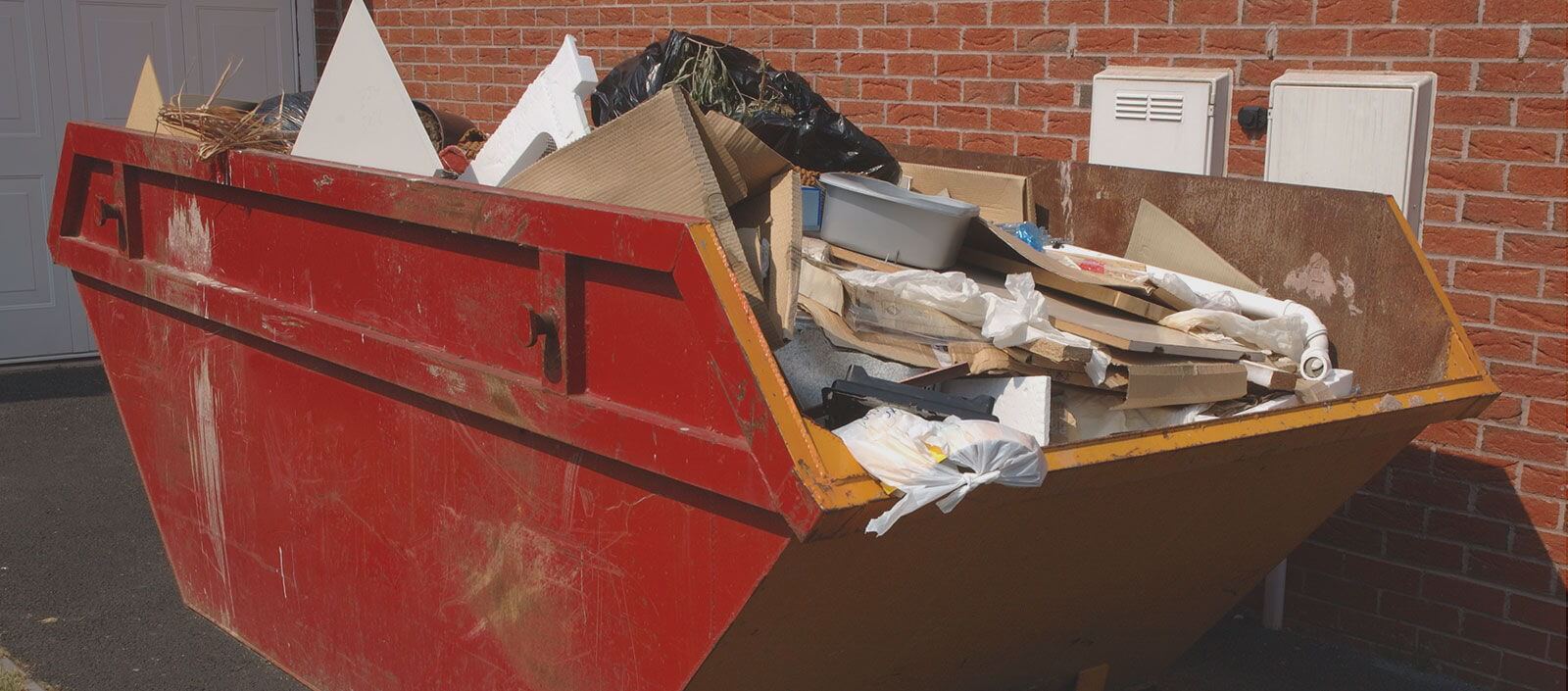
Removing bulky furniture from Paddington estates: tips & costs
Posted on 10/06/2026
Removing bulky furniture from Paddington estates: tips & costs
If you live in a Paddington estate, you already know the awkward bits: narrow hallways, lift bookings, neighbours who are trying to work from home, and a sofa that somehow looks twice as big when you try to move it. Removing bulky furniture from Paddington estates: tips & costs is not just about getting rid of an old item. It is about doing it safely, legally, and without turning a simple clear-out into a Saturday-long headache. In this guide, we will walk through the practical steps, the common price drivers, and the smarter ways to avoid stress, damage, and surprise fees.
Whether you are clearing a flat before a sale, replacing furniture after a move, or just making space again, the good news is that there are several workable routes. Some are cheap but slow. Some are faster but cost more. A sensible choice depends on access, item size, and how quickly you need the job done.

Why Removing bulky furniture from Paddington estates: tips & costs Matters
Bulky furniture is one of those jobs that looks simple until you are halfway down the staircase with a wardrobe that will not turn. In Paddington estates, the physical layout matters just as much as the furniture itself. Older blocks can have tight communal areas, limited parking, time-restricted loading, and lifts that are not designed for oversized items. That all affects the time, labour, and cost of removal.
There is also the compliance side. Leaving furniture in communal spaces, by bin stores, or on the pavement can create fire hazards, block access, and draw complaints from neighbours or building management. Nobody wants that phone call. If the furniture has to be removed during a sale or tenancy change, timing becomes even more important. A delay can hold up viewings, handovers, or end-of-tenancy checks.
In practice, the biggest reason this topic matters is simple: bulky furniture removal is a coordination job. Not just lifting. You are balancing access, safety, disposal method, and budget all at once. That is why it pays to understand your options before you start dragging a chest of drawers through a narrow corridor at 8am.
Expert summary: In estates, the cheapest option is not always the best value. The right choice is usually the one that reduces damage, saves time, and keeps access clear for residents and building staff.
How Removing bulky furniture from Paddington estates: tips & costs Works
Most bulky furniture removals follow a fairly predictable pattern, though the details vary by building and item. First, you identify what needs to go. Then you decide whether the items can be reused, broken down, donated, or removed as waste. After that comes access planning: lifts, stairs, parking, and any estate rules that might affect collection time.
From there, the service provider normally assesses volume, weight, and the effort needed to move the items safely. A two-seater sofa and a heavy oak wardrobe are not priced the same, and quite rightly. The route to the collection point also matters. A third-floor flat with no lift is a different job from a ground-floor apartment with direct driveway access. Obvious, perhaps, but this is where quotes can change a lot.
For many residents, the easiest route is to use a dedicated furniture removal service rather than a general rubbish collection. If the furniture is still in usable condition, some items may be suitable for resale or reuse. If not, disposal needs to be arranged properly. Pages like furniture removal in Paddington and furniture disposal options can help you understand the difference between the two approaches.
One thing people often miss: the quote is not only about the furniture. It is about the job around the furniture. Access, labour, loading, timing, and disposal route all sit in the background and shape the final number.
Key Benefits and Practical Advantages
Done well, bulky furniture removal saves more than just space. It can reduce strain, lower the risk of damage, and make the property feel calmer and easier to use. Let's face it, one enormous armchair can make an otherwise tidy room look oddly cramped.
- Faster room reset: useful when preparing for tenants, buyers, or decorators.
- Less physical strain: especially if the item needs stair carrying or awkward turning.
- Reduced risk of wall and floor damage: important in managed estates where repair costs can add up.
- Better compliance: avoids leaving items in shared spaces or near fire exits.
- Improved recycling potential: some items may be separated for reuse or material recovery.
- Less disruption to neighbours: especially when collection is booked neatly and kept to a short window.
There is also a time-saving benefit that gets overlooked. If you are selling or letting a property, empty space photographs better. It simply does. That is one reason many people clearing a flat will look at related guidance such as selling apartments in Paddington and the Paddington buying guide, because furniture removal often sits inside a wider property timeline.
Who This Is For and When It Makes Sense
This kind of removal is relevant to more people than you might think. It is not just for landlords and estate managers. A lot of ordinary residents find themselves dealing with bulky items after one of those slightly chaotic life moments. New sofa arriving before the old one is gone. Family staying over. Renovation plans changing. That sort of thing.
It makes sense when:
- you are replacing large furniture and need the old item removed quickly;
- you are clearing a flat before sale, letting, or handover;
- you live on an estate with shared access and strict collection rules;
- the item is too heavy, too large, or too awkward to move safely yourself;
- you need a cleaner, tidier disposal route than a prolonged DIY attempt;
- you want to reduce the chance of damage to walls, lifts, and communal flooring.
It is especially relevant in W2 flats where space is tight and stairways are not exactly built for wrestling a king-size headboard. And if you are juggling a move, a clearance, and a deadline, the stress can build quickly. In those cases, a professional collection can be the difference between a controlled day and a complete mess.
Step-by-Step Guidance
- List every bulky item. Be specific. A wardrobe, mattress, desk, and corner sofa all behave differently when moved.
- Check access first. Measure doorways, lifts, stair turns, and any tight corners. This is not glamorous, but it saves a lot of trouble.
- Separate reusable items from waste. If a piece is in decent condition, it may be better suited to reuse or donation. If not, disposal is the cleanest route.
- Book the right timing. Think about lift bookings, estate rules, school-run traffic, and parking restrictions. Morning or early afternoon slots often work better, though every building is a bit different.
- Prepare the route. Clear hallways, remove loose rugs, and protect anything fragile. A rolled blanket on a corner is a small thing, but it helps.
- Ask for a clear price structure. Make sure you understand what is included: labour, loading, disposal, and any access-related surcharge.
- Confirm how the items will be handled. You want to know whether the provider aims to recycle, reuse, or dispose responsibly.
- On the day, keep communication simple. One point of contact, one collection window, one clear list of items. Nice and tidy.
If the job is more than a single item, it may be worth looking at broader clearance options such as house clearance in Paddington or loft clearance services. Not every job needs a full clearance, of course, but there is no point paying for two separate visits if one planned collection would do the job.
Expert Tips for Better Results
Here is the part that saves people the most hassle in real life.
1. Take photos before you request a quote. One or two clear pictures help identify size, material, and disassembly needs. If there are stair bends or narrow landings, include those too. It is much easier than trying to explain the angle of a stairwell by text. Truth be told, people always underestimate the awkwardness of a hallway until collection day.
2. Disassemble only where it helps. Taking off legs, doors, or drawers can make a big difference, but only if you can do it safely and keep all fixings together. Do not partially dismantle a wardrobe and then lose the screws. That becomes an odd little drama.
3. Combine jobs where sensible. If you are removing furniture and a few bags of mixed waste, ask whether they can be handled together. A combined visit can be better value than booking separate collections for every category.
4. Be realistic about heavy items. Solid wood, large wardrobes, and recliners can be more labour-intensive than they first appear. If the item is difficult to manoeuvre, let the provider know early. Surprises on collection day are nobody's favourite thing.
5. Check insurance and process standards. In shared buildings, you want a team that works carefully in communal areas. A provider with clear operational standards can reduce damage risk and give you more confidence. For a quick overview of safety expectations, see insurance and safety information.
6. Think sustainability, not just disposal. If the item can be reused or the material separated, that is usually preferable. For readers who care about lower-waste outcomes, recycling and sustainability guidance is worth a look.

Common Mistakes to Avoid
People rarely get into trouble because the furniture is heavy. They get into trouble because the planning is weak. There is a difference.
- Not checking dimensions in advance. A sofa that fits in the room may still fail at the lift door.
- Assuming estate access is straightforward. Many buildings require booking for lifts, parking, or loading bays.
- Leaving items in common areas. This can create access and safety issues, especially overnight.
- Mixing waste types without asking. Furniture, white goods, and builders' debris may be priced differently.
- Choosing solely on price. A low quote can become expensive if access issues or extra labour are added later.
- Forgetting to check disposal standards. If you are clearing items from a managed block, you want reassurance that the job is handled properly.
A common one, and this happens all the time, is people booking a collection before they have checked the lift booking with the building manager. Then the team arrives, the lift is unavailable, and everybody is standing around looking mildly annoyed. Avoidable, really.
Tools, Resources and Recommendations
You do not need specialist equipment for every job, but a few basics make the process smoother.
- Tape measure: for checking furniture dimensions, lift doors, and stair turns.
- Phone camera: for quoting photos and route checks.
- Furniture sliders or moving blankets: useful if you are shifting items inside the flat before collection.
- Zip bags and labels: handy for screws, bolts, and fittings if disassembly is involved.
- Estate management contact details: worth having close at hand if you need to confirm access or booking rules.
If your clear-out has grown beyond furniture and now includes mixed household waste, a general waste removal service or rubbish collection in Paddington may be more suitable. For domestic jobs specifically, domestic waste collection can be a useful option.
One practical recommendation: keep a short inventory list on your phone. It takes thirty seconds and can save ten minutes of back-and-forth later. Small thing, big difference.
Law, Compliance, Standards, or Best Practice
For furniture removal in a London estate, compliance is mostly about responsible handling, correct disposal, and keeping shared spaces safe. You do not need to become a waste law expert, but you should expect the provider to work in line with UK waste handling norms and to be able to explain what happens to the items after collection.
At a practical level, that means:
- items should not be dumped in communal areas or on the pavement without proper arrangement;
- loading should be done without creating hazards for residents or staff;
- disposal routes should be handled through legitimate channels;
- the provider should be able to describe their compliance approach in plain English.
If you want a deeper sense of how a responsible operator frames this, the pages on waste carrier licence and compliance, terms and conditions, and privacy policy are useful context. For many residents, that reassurance matters almost as much as the price.
Best practice also means avoiding fly-tipping risks. If a provider suggests leaving items somewhere temporary without a clear collection plan, treat that as a warning sign. If you have ever seen a chair left beside a bin store on a damp Monday morning, you will know why.
Options, Methods, and Comparison Table
There is no single right answer for every flat or estate. The best route depends on urgency, access, and what condition the furniture is in. Here is a simple comparison.
| Method | Best for | Typical strengths | Possible drawbacks |
|---|---|---|---|
| DIY move to disposal point | Very small jobs with easy access | Low direct cost if you already have help and transport | Heavy lifting, damage risk, time-consuming, not ideal for estates |
| Reuse or donation route | Usable furniture in decent condition | Can reduce waste and sometimes cost less | Collection windows may be limited, not every item qualifies |
| Dedicated furniture removal | Single or multiple large items | More convenient, safer, better for awkward access | Usually costs more than DIY |
| General rubbish collection | Mixed domestic waste plus furniture | Useful for one-off clear-outs | Not always the best fit for very heavy or specialist items |
| House or flat clearance | Full or near-full property clear-outs | Efficient when several item types need removing together | Can be more than you need for a single sofa or bed frame |
If you are weighing up methods, a dedicated furniture disposal service is often the middle ground: quicker than DIY, more flexible than a scheduled council-style approach, and better suited to estates with access constraints.
Case Study or Real-World Example
Here is a typical Paddington scenario. A resident in a managed estate needed to clear a bulky three-seater sofa, a double mattress, and a broken wardrobe before a tenancy change. The flat was on the fourth floor, the lift was small, and the building had a tight loading bay window. Not ideal.
Rather than trying to move everything at once, the resident measured the furniture, sent photographs, and checked building access with management first. That meant the collection team could plan the right vehicle and work out whether the wardrobe needed partial dismantling. The sofa came out in one piece, the mattress was straightforward, and the wardrobe was carried down in sections. Nothing glamorous, but the job was done cleanly.
The important lesson? A little prep reduced both time and risk. It also avoided the classic "we thought it would fit" conversation, which nobody enjoys at 9am on a weekday.
In a case like this, a same-day or next-day service can be useful if the deadline is tight. For readers facing a fast turnaround, same-day rubbish collection in Paddington and the W2 bulky waste collection guide are both relevant reading, especially for flats where access is the main challenge.
Practical Checklist
Use this before you book:
- Have I listed every bulky item clearly?
- Do I know the approximate dimensions and weight?
- Have I checked lift access, stair width, and corridor turns?
- Does the estate require a booking for parking or loading?
- Have I separated reusable items from waste?
- Do I know whether I need furniture removal, furniture disposal, or a broader clearance service?
- Have I asked what is included in the quote?
- Do I need to notify building management or neighbours?
- Have I cleared the path to the item?
- Am I comfortable with the proposed collection time?
If you can tick most of those off, you are already ahead of the curve.
Conclusion
Removing bulky furniture from Paddington estates becomes much easier once you stop treating it like a simple lift-and-carry job. It is really a planning exercise: measure the item, check the access, choose the right disposal method, and confirm the price structure before anyone starts moving heavy furniture through shared spaces.
The best results usually come from a calm, practical approach. Prepare early, ask direct questions, and do not ignore the awkward details like lift size or parking. Those details are exactly where jobs tend to go wrong. Get them right, and the whole thing feels surprisingly manageable.
And if you are standing in the flat right now, looking at a sofa that seems to have multiplied overnight, take a breath. It is fixable. Honestly, it usually is.
Get a free quote today and see how much you can save.