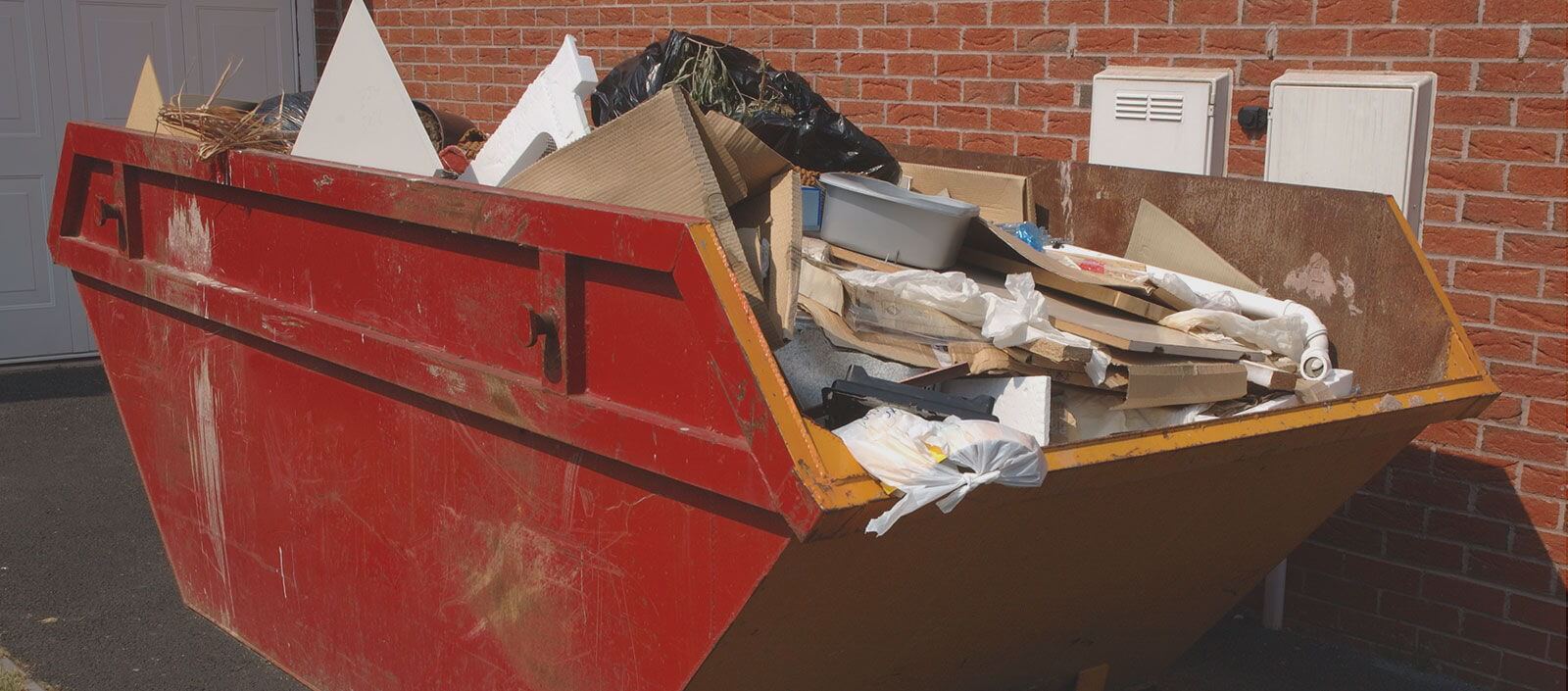
Confused by council charges? Paddington rubbish pricing explained
Posted on 02/06/2026
If you have ever looked at a council rubbish bill and thought, "why does this feel harder than it should?", you are not alone. Council charges can be confusing, especially when you are trying to work out whether a one-off collection, a bulky item pickup, or a private waste service is actually better value. In Paddington, the answer often depends on what you are getting rid of, how quickly it needs removing, and whether you want a no-fuss collection that fits around busy London life.
This guide breaks down Confused by council charges? Paddington rubbish pricing explained in plain English. You will see what drives the price, where people usually get caught out, how to compare options properly, and what to do if you need waste gone quickly without overpaying. Truth be told, most people do not need a perfect pricing theory. They need a clear, honest way to judge the bill in front of them.
Why Confused by council charges? Paddington rubbish pricing explained Matters
Rubbish removal looks simple until you start comparing options. Then the detail kicks in: collection windows, item limits, extra lifting charges, minimum loads, permit issues, and whether the price includes disposal. In a place like Paddington, where flats can be compact and access can be awkward, those details matter even more.
For households, landlords, letting agents, and small businesses, getting the pricing wrong can mean one of three things: paying too much, waiting too long, or choosing a service that does not really match the job. A cheap headline price can be fine for a small bag or two. It can also be misleading if it excludes labour, access, or proper disposal. Let's face it, nobody enjoys a surprise fee when the van is already outside.
There is also a practical side. Waste that sits in a hallway, basement, front garden, or loading bay for too long becomes a nuisance. That is especially true after a move, a refurb, a spring clear-out, or a busy weekend when you just want the place back to normal. If you want broader context on the local service landscape, the services overview is a useful place to understand the different disposal routes available in Paddington.
Key point: understanding rubbish pricing is not about hunting the cheapest option at any cost. It is about matching the cost to the real job, then avoiding hidden add-ons and wasted time.
How Confused by council charges? Paddington rubbish pricing explained Works
Most rubbish pricing systems are built around a few common variables. The labels may differ, but the logic is usually similar. Council collection and private rubbish removal both tend to look at the amount of waste, the type of waste, the labour involved, and any special handling requirements.
In simple terms, pricing usually reflects some mix of the following:
- Volume: how much space the waste takes up in the vehicle or container.
- Weight: particularly relevant for heavy items like soil, rubble, or appliances.
- Item type: some things are more awkward to dispose of safely or legally.
- Access: stairs, narrow hallways, no lift, parking distance, and loading restrictions.
- Labour: whether the crew is simply collecting from the kerb or removing items from inside the property.
- Urgency: same-day or next-day collection may cost more than a flexible booking.
That is the core of it. Council services often follow a set structure, which can be helpful if your waste fits neatly into their rules. Private collections can be more flexible and faster, which is often why people use them when they are clearing a flat, replacing furniture, or dealing with mixed household rubbish. If you are comparing actual disposal options, the pages for rubbish collection in Paddington and waste removal in Paddington are worth checking alongside your council quote.
One thing people miss: the cheapest price on paper is not always the cheapest overall. If you need to hire a van, take time off work, carry things downstairs yourself, and queue at a disposal site, the "free" or low-cost route may end up costing you more in effort and lost time. That is not a sales pitch. It is just real life.
What usually makes a council-style charge rise?
There are a few common triggers. Heavy mixed waste, awkward access, extra staff needed for lifting, and special items such as mattresses or white goods can all increase the final cost. In some cases, you may also need to factor in collection slots that are less convenient than you want. If your bin store is tight or your street is difficult for loading, the bill may reflect that reality.
If you are removing large household items, have a look at furniture disposal in Paddington or furniture removal in Paddington for the sort of jobs that are usually priced differently from normal black-bag waste.
Key Benefits and Practical Advantages
Once the pricing logic makes sense, decisions become a lot calmer. You stop guessing and start comparing like for like. That sounds obvious, but it changes everything. Here are the main benefits.
- You avoid overpaying for simple jobs. If you only have a small load, there is no reason to book a service that is designed for a full clearance.
- You avoid underestimating awkward jobs. A few bulky items can take far more time than a pile of bags.
- You can plan around timing. Sometimes speed matters more than the lowest price.
- You can compare council and private options fairly. This is the bit most people need help with.
- You reduce the risk of missed extras. Parking, labour, and special waste categories are where bills often grow.
There is also a hidden benefit: confidence. You are less likely to delay a clearance when you understand the real cost drivers. And in practical terms, that helps a lot. A cluttered loft, a hallway full of boxes, or a pile of old cabinets can hang over you for weeks. Sometimes months. It adds up mentally.
If sustainability matters to you, it is worth pairing cost awareness with reuse and recycling thinking. The company's recycling and sustainability information gives a useful sense of how responsible disposal fits into the picture, especially for mixed loads that still contain recyclable material.
Who This Is For and When It Makes Sense
This topic is useful for a lot more people than you might expect. It is not just for someone with a one-off council issue.
- Homeowners clearing out old furniture, broken appliances, or garden waste.
- Renters who need to leave a flat tidy before moving day.
- Landlords and letting agents dealing with end-of-tenancy rubbish or abandoned items.
- Small businesses with office clutter, packaging, or leftover stock.
- Builders and trades who need a quick solution for mixed renovation waste.
It also makes sense if you are comparing council options with private collection and you are not sure how to judge value. That happens all the time with larger clearances. For example, someone may start by looking at a council bulky waste charge, then realise the items are too many, too heavy, or too awkward to move. In that case, a more flexible collection can be the better decision even if the price looks higher at first glance.
If you are dealing with a large clean-out, the linked pages for house clearance in Paddington, loft clearance in Paddington, and office clearance in Paddington may help you work out which kind of service fits the job best.
Step-by-Step Guidance
If you want to compare council charges with other rubbish pricing in Paddington, use this simple process. It keeps things tidy and stops you from buying the wrong service.
- List everything you need removed. Be specific. "Some rubbish" is not enough. Write down bags, furniture, appliances, rubble, garden waste, and anything that needs dismantling.
- Separate the waste into types. Mixed waste, green waste, white goods, furniture, and builders' waste may be priced differently.
- Estimate access difficulty. Think stairs, lift access, narrow streets, and whether items are on the ground floor or deep inside the property.
- Check what the price includes. Ask whether labour, lifting, disposal, and VAT are included. The wording matters.
- Compare collection speed. If you need it gone today, the price may reflect that.
- Ask about extras early. Parking, waiting time, special handling, and certain item categories can affect the bill.
- Decide whether convenience is worth it. If you would need to hire transport, lift heavy items yourself, or lose a day doing it, the cheaper option might not actually be cheaper.
A small real-world example: imagine you have an old sofa, a broken wardrobe, and a few sacks from a flat clear-out. A council-style service might look attractive at first. But once you factor in access, lifting, and whether the items meet collection rules, a private pickup could be simpler and, sometimes, better value. Not always. But often enough to be worth checking.
For busy households, same-day collection can also be the right call. The page on same-day rubbish collection in Paddington explains what to expect when speed is the main priority.
Expert Tips for Better Results
Most pricing mistakes happen before the quote is even given. A better brief leads to a better price. Simple, really.
- Send clear photos if asked. A quick picture often helps avoid underquoting or overquoting.
- Measure bulky items. A sofa or mattress can be more awkward than it looks in a hallway.
- Be honest about access. If there is no lift, say so. If parking is tight, say that too.
- Group waste by type. Separating garden waste from general rubbish can help keep costs sensible.
- Book the right time. If you can be flexible, you may avoid paying a premium for urgency.
- Ask how recycling is handled. Not every load is treated the same, and responsible sorting can matter to both cost and outcome.
Here is one tiny but useful habit: keep a running list of items as you clear a room. People often forget about the odd extras - the broken desk lamp, the old printer, the chair with one missing leg. Those add up. Not dramatically, but enough to change the quote.
If your waste includes appliances, the guide to white goods and appliance disposal in Paddington is helpful because those items can involve separate handling considerations.

Common Mistakes to Avoid
When people are confused by council charges or rubbish pricing, the same mistakes appear again and again. The good news? They are easy to avoid once you know what to look for.
- Comparing a small waste load with a full-clearance price. Those are not the same service.
- Ignoring access. A collection from a ground-floor kerb and a collection from a fourth-floor flat are wildly different jobs.
- Forgetting disposal fees. A quote that sounds low but excludes disposal is not a real comparison.
- Booking too late. If you need to work around move-out dates, you can end up paying more for urgency.
- Not checking item restrictions. Certain materials and objects need specific handling.
- Choosing only on headline price. Cheap can be fine. Cheap and unclear is where the headaches start.
One more thing: be careful with "free collection" claims. In some cases, they are legitimate through reuse or resale routes. In others, there is a catch. If something sounds too neat, ask a few more questions. That little pause can save you a proper nuisance later.
Tools, Resources and Recommendations
You do not need a complicated toolkit to get this right. A few simple resources make the process much clearer.
- A phone camera for item photos and access pictures.
- A basic tape measure for doors, furniture, and awkward corners.
- A notebook or notes app to list what is being removed.
- Property access details such as floor level, parking restrictions, and any lift issues.
- A clear idea of timing so you know whether you need a flexible slot or a rapid collection.
For practical next-step reading, the following pages can be useful depending on what kind of waste you have:
- builders' waste disposal in Paddington for renovation debris and mixed rubble
- garden waste removal in Paddington for green waste and outdoor clear-ups
- domestic waste collection in Paddington for everyday household rubbish
- commercial waste removal in Paddington for office and business loads
If you are looking for the trust and process side of things, the page on waste carrier licence and compliance is a sensible read. It helps you understand the kind of checks a responsible waste business should be able to discuss without hesitation.
Law, Compliance, Standards, or Best Practice
There is no point talking about rubbish pricing without touching compliance. Waste must be handled properly, and the service you choose should be clear about how it operates. In the UK, waste transfer, transportation, and disposal all sit within a framework of legal and practical responsibilities. You do not need to memorise the rules, but you should expect a provider to be able to explain what happens to your waste in normal language.
Good practice usually includes:
- Clear pricing terms so you know what is included before work starts.
- Responsible disposal routes rather than shortcuts that risk fly-tipping or improper handling.
- Appropriate insurance and safety practices when crews are lifting from inside homes or businesses.
- Transparent communication about restricted materials and special items.
- Data and privacy awareness if documents, labels, or office waste are involved.
You can also check the company's insurance and safety information, along with its terms and conditions and privacy policy, if you want a fuller sense of how bookings and responsibilities are handled. That might sound dull, but it is where trust is built. Not glamorous. Just important.
For people who care about responsible disposal from the start, the sustainability page and related content such as Little Venice garden waste and green disposal in Paddington can also offer a more local, practical angle on greener waste decisions.
Options, Methods, or Comparison Table
Here is a simple comparison to help you think clearly about the main routes people use when sorting rubbish charges in Paddington.
| Option | Best for | Main advantage | Possible drawback |
|---|---|---|---|
| Council-style collection | Small, straightforward loads | Structured and familiar | May be less flexible on timing, access, or item types |
| Private rubbish collection | Mixed waste, awkward access, quick turnarounds | Flexible and convenient | Price depends on volume, access, and load type |
| Specialist clearance | House, loft, office, or builders' clear-outs | Handles larger or more complex jobs | Can be unnecessary for very small loads |
| Self-haul | People with transport, time, and lifting ability | Direct control over the process | Labour, parking, time, and disposal effort fall on you |
For many Paddington residents, the right answer is somewhere between council and private collection. If the job is tiny, structured collection may work well. If the job is messy, time-sensitive, or physically awkward, a private pickup can save you a lot of stress. A lot. Especially if you live in a flat with a narrow staircase and no spare elbow room.
Case Study or Real-World Example
Picture a common Paddington scenario. A couple is moving out of a top-floor flat near a busy road. They have an old bed frame, a mattress, two bookcases, a broken desk, and several bags of mixed household waste. At first glance, they assume a council charge will be cheapest because it sounds official and simple.
Then they check the details. The items are bulky, the stair access is tight, there is limited parking, and they need the rubbish gone before keys are handed back. Suddenly the price question is no longer just "what is the cheapest number?" It becomes "what is the least stressful way to finish the move properly?"
In a case like that, a flexible rubbish collection can make more sense than trying to force everything into a service that is designed for smaller or more limited loads. The final decision may still depend on the exact items, but the value is clearer once access, labour, and urgency are added into the picture.
That is the real lesson: price only makes sense when the job is described properly. If you underdescribe it, the quote will wobble. If you describe it clearly, the choice becomes much easier.
Practical Checklist
Use this checklist before you book any rubbish collection or compare council charges.
- Have I listed every item that needs removing?
- Do I know whether the waste is general, garden, builders', furniture, or appliance waste?
- Have I noted stairs, lift access, parking, and distance from the property to the vehicle?
- Do I know whether I need same-day or flexible collection?
- Have I asked what is included in the price?
- Do I understand whether labour, lifting, disposal, and VAT are part of the quote?
- Have I checked for any special handling requirements?
- Am I comparing like for like?
- Have I looked at sustainability or recycling options if relevant?
- Am I choosing based on total value, not just the headline number?
If you can tick most of those off, you are already ahead of many people. Honestly, that is half the battle.
Get a free quote today and see how much you can save.
Conclusion
Paddington rubbish pricing only feels confusing until you break it into the parts that actually drive the cost: volume, weight, access, labour, timing, and disposal type. Once you do that, the council charge, private quote, or clearance service starts to look much less mysterious. You may still choose the cheapest option. Or you may choose the most convenient one. Either way, you are choosing with your eyes open.
That is the real win here. Not just saving money, though that matters, but avoiding hassle, delays, and the irritating feeling that you have paid for the wrong thing. If you are clearing a home, sorting post-refurb rubbish, or just trying to get life back to normal, a clear quote is worth its weight in gold. And yes, sometimes that is exactly the kind of boring win that makes a week feel better.